- Key Takeaways
- Local Driving Impact
- Recognizing Brake Problems
- The Service Process
- Familiarize yourself with the steps involved in a comprehensive brake service.
- Understand the importance of diagnostics to identify specific brake system issues.
- Review the procedures for brake pad replacements and rotor resurfacing.
- Ensure that quality auto parts are used during brake repairs for optimal performance.
- Choosing Components
- Finding Local Trust
- Beyond The Brakes
- Conclusion
- Frequently Asked Questions
- How do local roads in Overland, Olivette, and Maryland Heights affect my brakes?
- What are signs my brakes or rotors need replacement?
- How long does brake and rotor replacement take at local shops?
- Should I choose OEM or aftermarket brake components?
- How do I find a trustworthy brake service nearby?
- Why is regular brake inspection important in this area?
- What else should I check besides brakes for safer driving?
Key Takeaways
- Winter road salt in Overland, Olivette and Maryland Heights can cause brake components to rust right out from under you. Here, winter brake inspections and protective coatings are a must.
- Hot summer temps in the region cause brake fade and wear, so proper cooling and quality heat-resistant pads are key to safe performance.
- With all the stop and go traffic in these suburbs, your pads and rotors are likely to wear out sooner. Check your brakes regularly and drive gently to help increase the lifespan of your braking system.
- Identifying early warning signs, such as odd noises, a spongy pedal, or warning lights, lets you correct brake problems before they jeopardize safety or become expensive.
- By opting for quality brake parts, weighing material options, and respected manufacturers, and seeking advice from local mechanics, you can fine-tune braking performance for your unique vehicle and driving habits.
- Partnering with verified, highly rated auto repair shops that provide warranties guarantees reliable results and confidence for your brake and rotor replacement services throughout Overland, Olivette, and Maryland Heights.
Brake and rotor replacement overland olivette maryland heights involves replacing old brake pads and rotors to ensure vehicles remain secure on regional highways.
Shops in these St. Louis County suburbs use U.S.-made parts because they fit most common makes. Products here comply with local standards and utilize tools appropriate for U.S. Models.
With stop and go traffic and unpredictable Midwest weather, people in these communities require prompt brake jobs to keep their drives effortless and secure all year long.
Local Driving Impact
Our brake and rotor replacement for Overland, Olivette, and Maryland Heights drivers is shaped by this region’s year-round weather, heavy local traffic and our unique road conditions. Every season and environment has its own set of challenges that impact brake health, life and safety. Knowing these factors is crucial to safe, dependable driving and maintenance dollars well spent, particularly for the millions of daily urban and suburban commuters in these regions.
Winter Salt
Road salt is the de-facto standard in Olivette and Maryland Heights for stamping down the dangerous icy Missouri winters. Salt accelerates rust on rotors and calipers. When salt adheres to metal components, it accelerates their corrosion and can potentially cause brake failure if not addressed.
Just one tough winter can pit rotors and corrode calipers, particularly when combined with water and cold. Drivers should watch for rust rings, flaking or pitted metal on rotors, and any squealing or grinding when brakes are applied. These are the beginnings of salt damage. Thin brake pads — less than 1/4 inch — require servicing.
Below is a winter brake care checklist:
- Inspect rotors and calipers for visible rust or corrosion.
- Check brake pads for thickness and uneven wear.
- Listen for unusual noises when braking.
- Rinse undercarriages after snowstorms to clear salt buildup.
- Schedule a mechanic inspection before and after winter.
Coating rotors and calipers to protect them is a rust inhibitor. These coatings form a barrier against salt and prolong the lifespan of essential brake components.
Summer Heat
Hot, humid summers in the Midwest reduce brake performance due to brake fade when friction decreases after brakes overheat. Overheating can warp rotors and glaze pads, slashing stopping power. Hilly terrain and full loads further increase the risk of overheating, particularly during heat waves.
Cleaning cooling ducts and inspecting for warped rotors keeps brakes working masters of stopping. It’s wise to have a mechanic check brakes in late spring or early summer. Installing ceramic or other high-heat brake pads performs better under duress. These modifications reduce heat damage and maintain braking distances.
Stop-and-Go Traffic
With daily stop-and-go traffic on Olive Boulevard, drivers in Olivette and Maryland Heights use their brakes many more times than rural drivers. Every stop adds a little additional heat and wear to pads and rotors. Over a year, this accumulates and frequently requires replacement every 25,000 to 50,000 miles, sometimes even earlier for urban commuters.
Smooth, gentle stops and starts can stretch brake life. Pressing hard and late on the brake pedal wears pads quickly. A quick swing by a mechanic or even at home, checking for thin pads or hearing for squeaks, can catch problems early.
Throw in brake fluid flushes every two years to help prevent overheating and keep parts working smoothly, especially in stop-and-go traffic.
Maintenance Plan | City Drivers (Olivette) | Rural Drivers |
|---|---|---|
Brake Pad Replacement | 25,000–50,000 miles | 40,000–70,000 miles |
Inspection Frequency | Every 6 months | Annually |
Brake Fluid Flush | Every 2 years | Every 3 years |
Rotor Replacement | As needed, often with pads | Less frequent |
Recognizing Brake Problems
Regular brake inspections are essential for safe driving in Overland, Olivette, and Maryland Heights where weather and salt on the roads accelerate wear. A lot of brake problems begin gradually, but identifying them early keeps you safe and proves cost-effective in the long run.
Keep an eye out for this telltale feedback the next time you’re tooling around St. Louis County neighborhoods or riding up highway ramps.
1. Strange Noises
Squealing or grinding noises when you brake generally indicate that your pads need replacing or there’s metal-on-metal contact. These noises can indicate corrosion or debris caught between parts, which is a typical post-winter affliction.
If you feel the brakes start to vibrate or pulse, the rotors could be warped or out of alignment, which is a common occurrence after driving over potholes or bad pavement. Make a note of any new or changing noises over a few days and inform your mechanic.
This information aids in speeding up diagnosis. If you hear weird noises, it is important to not procrastinate. The sooner you act, the less likely you are to rip apart rotors and calipers.
2. Pedal Feel
A soft or spongy brake pedal generally indicates air is in the brake lines or there’s a fluid leak, both of which require immediate repair. Hard pedals that resist pressure may indicate a failing brake booster or blocked lines, particularly if you navigate through road salt and slush in the winter.
Any change in how the pedal feels, like more resistance or a sudden drop, indicates something is wrong. Get in the habit of testing the pedal during six-month brake checks or prior to long trips.
3. Vehicle Pulling
If your car pulls left or right during braking, this could be because of uneven pad wear, stuck calipers, or alignment problems. These are common ailments of cars that experience a lot of city stop-and-go driving.
Sometimes, rotating the tires or an alignment won’t correct the pull if it’s the brakes. If pulling persists after servicing, have a technician check for sticking pistons or worn pads in the brake system.
Addressing pulling immediately prevents losing control, particularly on wet or slick roads.
4. Dashboard Lights
Newer cars use sensors to warn you of brake issues with ABS or brake fluid warning lights. A brake light on indicates you need to check fluid or watch for leaks near the master cylinder, lines, or calipers.
Your vehicle manual tells you what each light indicates for your make and model. Don’t brush off warnings. Book a diagnostic check at the first implication of a brake light to keep safe.
5. Visual Wear
Check your brake pads and rotors regularly. Thin or deeply grooved pads need to be replaced soon. Rotors that are rusty, cracked, or marked with blue ‘heat spots’ don’t work as well, especially following winters with heavy road salt usage.
A brake dust-blanketed wheel is commonplace, but too much dust could mean your pads are wearing out quickly. Similarly, watch for fluid leaks or reservoir drops when you do routine maintenance.
The Service Process
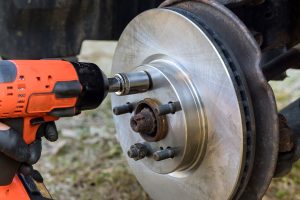
Our brake and rotor replacement in Overland, Olivette, and Maryland Heights involves a precise service flow designed to provide safe, long-lasting performance for drivers in the region. The procedures emphasize straightforward diagnostics, thoughtful part choice, and meticulous craftsmanship, all tuned for the types of driving found in St. Louis County’s suburbs.
Familiarize yourself with the steps involved in a comprehensive brake service.
A typical service commences with the thorough examination of the brake system, encompassing the pads, rotors, calipers, and hydraulic lines. They inspect for uneven wear, damage, and leaks. The car is hoisted and wheels are taken off for inspection.
Each caliper is checked for sticking or leaks, as these can rapidly cause uneven pad wear and loss of braking power. We apply system lube to caliper slides and contact points to prevent noise and keep your brake movement smooth. All mounting bolts and hardware are cleaned or replaced as necessary.
Finally, a road test ensures pedal feel and overall braking response, ensuring that the new parts function well as a unit.
Understand the importance of diagnostics to identify specific brake system issues.
If your car is overheating, it’s a diagnostic check that matters. Technicians probe for red-flags like grinding noises, pulsating pedals, or dashboard warnings. They employ a combination of visual inspections and electronic diagnostic scan tools to identify sensor or anti-lock braking module problems.
This step ensures that only the affected components, such as worn pads or scored rotors, get replaced, saving drivers across the area time and money. A quality diagnostic can help steer what kind of parts are used, depending on make and model and driving habits in Overland, Olivette, and Maryland Heights, like constant stop-and-go traffic.
Review the procedures for brake pad replacements and rotor resurfacing.
Brake pad replacement begins by taking out the old pads and checking the rotors for scoring or warping. If the rotors are still within manufacturer thickness limits, they can be resurfaced on-car to get a flat, even surface. If not, new rotors are put on.
Factory-specified torque settings are applied when reinstalling calipers and wheels, which helps prevent warping and evenly distributes brake pressure. Pads are bedded in with slow stops to let them seat well and to prevent squeal or vibration noise.
We offer both standard and premium pads, and it can depend on your local driving requirements. The premium pads generally last longer and won’t fade as easily under heavy use.
Ensure that quality auto parts are used during brake repairs for optimal performance.
The quality of pads and rotors goes a long way in stopping power and brake life. Premium brake pads, typically suggested with new rotors, employ higher quality friction materials and better heat resistance.
The right rotor and pad match is selected for each car, based on make, model, and how the car is driven. Many shops around here give you a 2 year or 24,000 mile warranty on brake jobs and that makes a driver comfortable.
These services typically consist of new hardware kits, full lubrication, and a final check to make sure everything meets or beats factory specs.
Choosing Components
Selecting the appropriate brake components for cars in Overland, Olivette, and Maryland Heights involves considering the distinct weather, traffic, and road conditions endemic to this region of Missouri. Quality and compatibility is what really counts. Picking parts that are right for your car’s make and model means they’ll work really well and keep you safe.
High-quality brake pads extend the life of your brakes and provide smoother stopping power, so they’re a wiser investment than the average options, particularly if you experience city traffic or snowy conditions. It’s clever to consult reliable local mechanics. They know what works best in the area and for your driving style, assisting you in selecting components tailored to your needs whether you’re a daily commuter or a weekend warrior.
Selecting between brake components can appear difficult. Here is a side-by-side look at common types, their features, and benefits:
Component Type | Features | Best For | Key Benefits |
|---|---|---|---|
Ceramic Pads | Low noise, low dust, smooth feel | Everyday city or highway driving | Clean wheels, quiet stops |
Semi-Metallic | Strong bite, handles heat well | Heavy loads, frequent braking | Better for towing, lasts long |
Organic Pads | Softer, quiet, less wear on rotors | Light driving, older vehicles | Gentle on brakes, low cost |
Drilled Rotors | Vents heat, resists water | Wet climates, spirited driving | Less brake fade |
Slotted Rotors | Removes dust, boosts bite | Performance vehicles, rough roads | Consistent stopping power |
Material Matters
Material selection is important. Ceramic pads are very popular in Missouri for everyday use as they stand up well to salt and slush, which is a smart choice for winter. Semi-metallic pads brake hard and resist heat, which is great for those who tow or tackle hills often.
Premium pads, such as advanced ceramics, reduce dust and cease quietly. Some materials hold up to salt and rust better, which counts here where we salt our roads in winter storms. Always pair pad material to the car’s specs because mixing it up can cause noisy brakes, uneven wear, or even damage.
Brand Reputation
Excellent brands count for safety and peace of mind. Top names like Brembo, Wagner, and Bosch have years of proven performance, and they typically provide good warranties. Seek 24 months or 24,000 miles at a minimum.
Online customer reviews at places like AutoZone or Advance Auto Parts provide real-world results. Listen to the comments about fit, noise, and durability. When picking a brand, consider:
- Warranty and support
- Years in business
- Local mechanic recommendations
- Consistency of product quality
- Availability of parts for your car
Your Driving Style
How you drive determines what you require. Brake pads and rotors are your choice of components. Aggressive driving, with quick stops and hard turns, wears brakes fast and calls for heavy-duty pads and rotors.
Soft drivers, or those just tooling around calm suburban blocks, can survive with regular ceramics. If your commute is through lots of stoplights or hills, premium pads wear better and do not fade. Consult your local mechanic about your habits and routes. They can assist in custom tuning your brake system selection for extended durability and smooth halts.
Finding Local Trust
Trust is everything when choosing a brake and rotor spot in Overland, Olivette, or Maryland Heights. Local drivers depend on honest, talented shops to keep them safe and to give them peace of mind. About good shops finding local trust that they can build their name on is plain speech, consistent effort, and support for their local community.
Here are some tips for finding trusted help for your brake needs:
- Look for recent certifications that demonstrate training and skill.
- Consult online reviews or ask friends or neighbors.
- Seek out stores that provide estimates and describe repairs in layman’s terms.
- Ask about warranties for both parts and labor.
- See if the shop uses quality parts and stays up to date on new tools or technology.
- Discover if the shop sponsors local events or schools.
Certifications
A trusted local mechanic is going to do it right. Seek out shops where the techs have ASE or manufacturer training. ASE is recognized everywhere in the US for testing competence and expertise. Many shops belong to organizations such as the Automotive Service Association (ASA), which implies that they adhere to high standards.
Shops with these connections are more likely to observe best practices. Inquire whether the mechanics receive training on new brake tech. New cars commonly come with new brake systems. If a shop invests time and money in training, it means they’re invested in doing safe, up-to-date work.
Community Voice
Word gets around quickly in Overland, Olivette, and Maryland Heights. They trust what they hear from family, friends, or local social media groups. Ask in community discussions or see if local mechanics have any honest feedback on online forums.
Shops that participate in local events or give a hand at schools frequently gain additional trust. Sharing your story can aid others as well. Good or bad, reviews matter. They assist us all in discovering a shop that treats people well.
Beyond The Brakes
Regular brake and rotor service is just one element of maintaining a safe and dependable car in Overland, Olivette and Maryland Heights. Beyond The Brakes Local auto shops have more than just brake work. Almost all will check tire wear, rotate tires and inspect suspension components as part of a brake service.
Tire rotation helps prevent uneven wear which keeps ride quality smooth and extends tire life. Suspension inspections catch worn shocks or bushings early, preventing bigger, more expensive repairs. These shops often inspect leaks, fluid levels and the condition of belts and hoses as part of a comprehensive service.
Beyond The Brakes Indicators such as a high or low brake pedal, grinding or squealing noises, or the car pulling to one side during braking typically indicate something more than just worn pads. These problems can indicate rotor damage, uneven wear or even brake system imbalance. Worn rotors not only cause vibration but decrease your car’s stopping ability.
Old or dirty brake fluid can cause brake failure if not replaced on schedule. Most specialists in the field suggest checking brakes every six months or 20,000 miles. That combination helps detect warning signs early and maintains brakes properly, which is crucial for driving safety on congested streets in these neighborhoods.
Periodic inspections prevent costly repairs and keep the vehicle on the road longer. For instance, worn out brake pads or damaged rotors can result in pricey caliper repairs or even the entire brake system if ignored. Emergency brake service is important as having a functioning emergency brake is a safety necessity for anyone driving in the hilly regions of St. Louis County.
Drum brake service is necessary for cars that still have drum brakes, typically found on older vehicles or certain trucks. Maintenance beyond the brakes is essential. Keeping all parts in shape avoids sudden failure and ensures the vehicle is prepared for the daily commute or extended travel.
Beyond the brakes – staying ahead with vehicle care With convenient Neighborhood Tire Shops in Overland, Olivette, and Maryland Heights, we know the weather and roads around here, so we can give recommendations tailored to drivers’ needs here. When it comes to your car, proactive checks and timely repairs steer clear of breakdowns and keep us all safe whether we’re driving down Lindbergh Boulevard or into downtown St. Louis.
Conclusion
To keep your ride safe around Overland, Olivette, and Maryland Heights, replace worn-out brakes and rotors before issues arise. Rust, noise, and feeble stops mean it’s time. Local shops know our roads and the traffic here, so they match the correct parts and get the job done right. Good brakes provide smooth stops on Page Avenue or Brentwood Boulevard, even in Midwest rain or road salt. Experienced techs use hard parts and actual experience, not trial and error. Want your car to last and your wallet happy? Maintain a clever care schedule. Be smart, request shops the specifics, and roll with confidence. Got brake doubts or want a pro inspection? Give a local shop a call today and get rollin’ safe.
Frequently Asked Questions
How do local roads in Overland, Olivette, and Maryland Heights affect my brakes?
Stop and go traffic, rough pavement, and seasonal weather can wear down your brakes and rotors faster in these areas. Regular checks keep your car safe.
What are signs my brakes or rotors need replacement?
Signs to watch for include squeaking, grinding, longer stopping distance or a pulsating brake pedal. About: brake and rotor replacement overland olivette maryland heights These are unmistakable indicators that your brakes or rotors require replacement.
How long does brake and rotor replacement take at local shops?
Just about every shop in Overland, Olivette, or Maryland Heights can install brake and rotor replacements within 1 to 2 hours. Some shops offer same day service.
Should I choose OEM or aftermarket brake components?
OEM parts fit your car’s original specs. Aftermarket parts may be cheaper or of higher quality. Consult with your neighborhood mechanic regarding your driving needs.
How do I find a trustworthy brake service nearby?
Seek shops with good local reviews, ASE-certified technicians and transparent pricing. Recommendations from neighbors in Overland, Olivette or Maryland Heights can assist.
Why is regular brake inspection important in this area?
Rain, salted winter roads and heavy traffic all cause brakes to wear faster. Routine inspections keep you safe and save you costly repairs down the line.
What else should I check besides brakes for safer driving?
Have your tires, lights, and windshield wipers checked. Proper care for these components, as well as your brakes, makes you a safer driver in Overland, Olivette, and Maryland Heights.