A warning light is a clue, not a complete diagnosis. Understanding how professional testing works can help drivers ask better questions and avoid replacing parts based on a code alone.
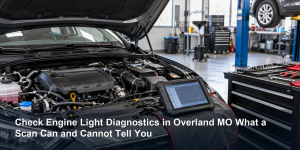
Open hood and diagnostic scan tablet in a clean independent auto repair shop
The short answer
When a check engine light appears, a driver may want to know whether the car is safe to drive and what the repair will cost. The first useful step is to note what the vehicle is doing and arrange an appropriate inspection. A diagnostic trouble code helps identify a system or condition that needs attention, but it does not automatically name a failed part. A technician may need to review data, reproduce the symptom, inspect wiring or components, and perform tests before recommending a repair. Jammin J Auto lists diagnostic service among its automotive repair offerings in Overland, Missouri. If the light flashes or the vehicle runs poorly, loses power, overheats, or presents another safety concern, stop when it is safe and seek professional guidance.
A warning light reports a condition, not a repair order
Modern vehicles monitor engine and emissions systems through sensors and onboard diagnostics. When a monitored condition falls outside a programmed range, the vehicle may store a diagnostic trouble code and illuminate the check engine light. That code is useful evidence, but it is not a parts list. A code related to an oxygen sensor circuit, for example, can arise from a sensor, wiring, a connector, an exhaust leak, or another condition affecting the reading.
The same code can have different causes on different vehicles, and one problem can create several codes. Replacing the part named in a generic code description without verifying the underlying cause can waste money and leave the original problem unresolved. A professional diagnostic process combines the code with symptoms, service information, inspection, and test results. The goal is to determine why the fault appeared and what evidence supports the recommended repair.
Notice how the vehicle behaves before the appointment
Before seeking check engine light diagnostics in Overland, write down when the light came on and what the car was doing. Note whether it happened after refueling, during a cold start, at highway speed, or while idling. Record changes in acceleration, fuel economy, engine sound, temperature, shifting, or exhaust odor. If the warning appeared with another message, photograph the dashboard when safe and include the vehicle’s exact wording.
A steady light with no other symptoms is different from a flashing warning or a vehicle that is shaking, stalling, overheating, or losing power. Do not continue driving when handling, braking, engine temperature, or visibility is compromised. A driver’s description can help a technician reproduce an intermittent issue, especially when the vehicle behaves normally during a brief shop visit. Details such as weather, trip length, and whether the symptom repeats can make testing more efficient.
Understand the difference between reading codes and diagnosing
A basic code reader retrieves stored information. A full diagnostic evaluation may include reviewing freeze-frame data, live sensor readings, readiness monitors, technical service information, wiring diagrams, and manufacturer-specific tests. The exact steps depend on the code and vehicle. A technician may need to inspect a connector, check for leaks, verify power and ground, or compare sensor behavior under different operating conditions.
A code can point toward a system without proving which component failed. For example, a lean condition can involve air entering the engine where it should not, fuel delivery, measurement errors, or other factors. The diagnostic process narrows possibilities using evidence. Ask whether the shop has confirmed the fault, what tests were performed, and why the proposed repair addresses the cause. A clear explanation should connect the observed evidence to the recommendation rather than relying on a code label alone.
Know when to stop driving and when to call the shop
A steady check engine light does not always mean an immediate breakdown, but it should not be ignored indefinitely. A flashing light, severe vibration, unusual mechanical noise, smoke, overheating, loss of power, or a strong fuel or burning smell can signal a more urgent problem. Pull over when it is safe, turn off the vehicle if conditions warrant, and contact a qualified repair facility or roadside assistance. The owner’s manual may contain model-specific instructions for warning indicators.
No online checklist can determine the risk for a particular car without its symptoms and inspection. If the vehicle seems normal and the light is steady, contact a repair shop promptly and ask whether it is reasonable to drive it to the facility. Avoid repeatedly clearing the code or disconnecting the battery before service; doing so may erase useful diagnostic information and readiness data. Tell the shop if anyone has already reset the light or replaced a part.
Prepare vehicle information for an accurate estimate
When scheduling an engine diagnostic appointment, provide the year, make, model, engine if known, mileage, warning-light behavior, recent repairs, and any codes already retrieved. Mention aftermarket equipment, recent battery work, fuel purchases if relevant, and changes in performance. Bring the owner’s manual or prior service paperwork if available. These details help the shop identify correct service information and avoid assumptions about a similar model year.
An initial diagnostic charge may cover technician time to identify the cause, not the repair itself. Ask what the inspection includes, whether additional testing requires approval, and how the shop will communicate findings. If a repair estimate lists both diagnostic labor and parts, ask which portion has already been completed and whether further diagnosis may be needed if the first issue is corrected but the warning remains. Agree on a contact method and an authorization limit before work begins.
Review the evidence behind a repair recommendation
A useful estimate describes the confirmed concern, the test result or physical finding, the recommended work, and any related issue that remains uncertain. Ask the technician to explain how the evidence connects to the proposed repair. If a component is visibly damaged, a photograph may help. If the recommendation follows an electrical test, ask what measurement was out of range and what specification or procedure was used.
Not every diagnostic result leads to a single obvious part failure. Some issues require additional testing, and intermittent electrical faults can take time to reproduce. A shop should distinguish a confirmed repair from a possibility. It is reasonable to ask which items are urgent, which can be monitored, and what could happen if a repair is delayed. Avoid authorizing parts replacement solely because a web search associates a code with that part; vehicle configuration, symptoms, and test results matter.
Emissions readiness is part of the repair conversation
The check engine light often relates to systems that affect emissions, but it can also indicate engine performance or other monitored conditions. Clearing a code may turn the lamp off temporarily without fixing the problem. It can also reset emissions readiness monitors, which may affect whether a vehicle is prepared for an inspection or emissions test. The appropriate diagnostic and repair steps depend on the vehicle and the applicable state requirements.
If the vehicle needs an inspection soon, tell the shop before diagnosis so the timing and readiness issue can be discussed. Do not use a temporary reset as a substitute for repair or attempt to bypass emissions controls. A technician can explain whether a monitor is incomplete, whether a repair is required, and whether the vehicle needs a drive cycle after service. State testing rules may change, so verify current Missouri requirements with the relevant authority rather than relying on an old online forum post.
Intermittent warnings need a record and a careful test plan
An intermittent check engine light can be difficult to diagnose because the vehicle may not show the same symptom during every trip. A simple record can capture date, mileage, outside temperature, trip length, speed, fuel level, and the behavior that occurred. If the warning turns off by itself, note when it happened; do not assume that the underlying condition has disappeared. The vehicle may retain a stored or pending code that helps locate the cause.
Ask the shop whether it can review historical data, inspect likely connections, or conduct a controlled road test. A problem that happens only after rain, a cold soak, or a long highway drive may require reproducing those conditions. The technician should explain what has been verified and what remains unknown. If the symptom cannot be reproduced, agree on what information to collect if it returns and whether the vehicle should be driven or inspected sooner.
Maintenance history helps separate wear from a new failure
Recent maintenance and repair history can reveal whether a warning is related to a recently disturbed connector, a replaced component, overdue maintenance, or a separate emerging concern. Share receipts and mention any work performed elsewhere, even if it seems unrelated. A battery replacement, intake repair, exhaust work, or accessory installation may affect diagnostic context, but the technician should verify rather than assume a connection.
Routine maintenance does not prevent every warning light, and a new code does not necessarily mean a recent service caused damage. The goal is to give the repairer a complete timeline. Ask whether a recommended maintenance item is necessary to address the current fault or is a separate preventive service. Clear separation helps the customer make informed choices and lets the shop document what was authorized. Jammin J Auto lists diagnostics and other repair services in Overland; confirm current vehicle coverage and scheduling with the shop.
Use a follow-up plan after the repair
After a repair, ask what changed, whether the code was cleared as part of the procedure, and how the shop verified the result. Some repairs require a road test or monitored operating cycle; others may need a follow-up check. The right validation depends on the fault and manufacturer guidance. Keep the invoice and notes with the vehicle’s maintenance record.
If the warning returns, contact the shop and describe the timing and symptoms. A returned light can indicate an unresolved cause, a second fault, or a condition that needs additional testing. It does not automatically mean the first repair was careless, but the shop should review the earlier findings and explain the next diagnostic step. Avoid adding unrelated parts or repeating a reset without investigation. A written record of the original code, tests, repair, and follow-up makes it easier to understand the vehicle’s history and plan future maintenance.
What an OBD-II code can and cannot tell you
A diagnostic trouble code points toward a circuit, system, or condition that the vehicle computer has noticed; it does not automatically identify a failed part. A code for a sensor circuit, for example, may result from wiring, a connector, a vacuum leak, a related component, or the sensor itself. Replacing the first part named by a code can lead to unnecessary cost if the underlying cause is elsewhere. The code is a starting point for testing, not the repair conclusion.
A technician may review freeze-frame data, live sensor readings, readiness monitors, service history, and symptoms. Testing can include visual inspection, electrical checks, smoke testing, or a road test when safe. The appropriate sequence depends on the code and vehicle. Ask the shop to explain what was tested, which evidence supports the diagnosis, and whether additional testing is needed before authorizing a repair.
Why a flashing warning needs prompt attention
A steady check-engine light generally calls for diagnosis, while a flashing light can indicate a condition that risks damage, such as an active misfire. If the light flashes, the engine shakes, power drops, or a burning smell appears, reduce load and pull over when safe. Continuing to drive can make a repair more expensive or create a roadside safety problem. Consult the owner’s manual and arrange professional help rather than assuming the warning will clear.
Other warning signs matter too: rough idle, poor acceleration, unusual exhaust, hard starting, or a sudden fuel-economy change. Note when the symptom occurs and whether it follows refueling, cold starts, highway driving, or a recent repair. This context can make diagnosis more efficient. If the car is not safe to drive, ask about towing rather than risking a breakdown on a busy road.
Prepare for a productive diagnostic appointment
When scheduling, provide the year, make, model, engine if known, warning-light behavior, recent maintenance, and a clear description of symptoms. Tell the shop whether the light is steady or flashing and whether the issue is intermittent. Bring any scan results, but do not clear codes before the appointment unless a technician directs you to do so; clearing them can remove helpful data. If the vehicle has an aftermarket alarm, remote start, or recent electrical work, mention it.
Ask whether the diagnostic fee covers a defined initial test or additional time if the cause is complex. Request approval before work beyond the agreed scope. A good estimate separates diagnostic findings from the repair recommendation and explains if a second issue is unrelated. After repair, the shop may verify the result through a road test or monitor check. Keep the invoice and note whether the warning returned, since follow-up details can help if the symptom reappears.
Frequently asked questions
Does a check engine code tell me which part to replace?
Usually not by itself. A diagnostic trouble code identifies a monitored system or condition. A technician uses it with symptoms, live data, inspections, and tests to determine whether a component, wiring, leak, or another issue caused the warning.
Can I drive with the check engine light on?
It depends on the warning and how the vehicle behaves. A flashing light, severe shaking, overheating, unusual noises, smoke, or loss of power warrants stopping when safe and seeking professional help. Contact a repair shop for guidance about a steady light.
What does a flashing check engine light mean?
A flashing light can indicate a condition that risks vehicle damage or unsafe operation. Reduce driving and stop when safe. Consult the owner’s manual and contact a qualified repair facility rather than continuing a long trip.
Will disconnecting the battery turn the light off?
It may erase stored information or reset monitors, but it does not repair the cause. Clearing data can make diagnosis harder and may leave the vehicle unready for an emissions inspection.
How long does check engine diagnostics take?
Time varies with the code, symptoms, vehicle access, and whether the problem can be reproduced. Some faults are straightforward; intermittent electrical or emissions issues may require additional testing.
Why do shops charge a diagnostic fee?
Diagnosis involves technician time, service information, equipment, and testing to identify the cause. The fee may be separate from repair labor and parts. Ask what the initial charge includes and whether additional tests require approval.
Can a loose gas cap trigger the check engine light?
A fuel-system leak, including a sealing issue, can set an emissions-related code on some vehicles. The warning can have other causes as well, so a code and inspection are needed before concluding that the cap is responsible.
Why did the light come back after a repair?
The original condition may remain, a second fault may exist, or the system may need additional operating time to confirm the repair. Return to the shop with the invoice and details about when the warning reappeared.
Should I get a free code scan before visiting a mechanic?
A code scan can provide context, but a generic description is not a diagnosis. If you obtain a code, record it and share it with the shop. Avoid replacing parts based only on a code lookup.
Does Jammin J Auto perform check engine diagnostics in Overland?
Jammin J Auto lists diagnostic service among its auto repair offerings in Overland. Contact the shop to confirm appointment availability, vehicle coverage, and the diagnostic process for your specific concern.
Can a check engine light affect Missouri emissions testing?
It can be relevant to emissions readiness and test results, depending on the vehicle and applicable requirements. Ask the repair shop about readiness monitors and verify current testing rules with the responsible Missouri authority.
What should I bring to a diagnostic appointment?
Provide vehicle details, mileage, warning behavior, symptom notes, prior codes, recent repair history, and relevant invoices. Bring the owner’s manual if available and tell the shop if the light was recently reset.