- Key Takeaways
- Olivette Driving Realities
- Why Brakes Matter
- Telltale Brake Symptoms
- The Inspection Process
- Beyond the Pads
- Choosing Your Technician
- Conclusion
- Frequently Asked Questions
- How often should I have my brakes inspected in Olivette, MO?
- What are the most common brake symptoms to watch for?
- Can I drive to a shop if my brakes are making noise?
- What does a full brake inspection include?
- Are brake pad replacements enough or do I need rotors too?
- How much should I expect to pay for brake repair in Olivette?
- How do I choose a reliable brake technician near Olivette?
Key Takeaways
- Olivette drivers encounter stop-and-go traffic and harsh seasonal weather that wear your brakes prematurely. Schedule regular inspections at a local shop that knows the area roads to spot wear early and avoid expensive overhauls.
- Brake issues frequently manifest as odd sounds, a spongy or vibrating pedal, or dashboard indicators. You should take the vehicle to an ASE-certified Olivette technician promptly for inspection and repairs.
- A full brake service in Olivette would encompass fluid changes, rotor and caliper inspection or resurfacing and brake line inspection to prevent corrosion from winter salt and sand.
- Follow a three-step inspection process of visual check, precise measurements, and a road test under local driving conditions to get an accurate assessment and documented results you can reference later.
- Select neighborhood dealers with written estimates, part and labor guarantees, and OEM or premium aftermarket parts to safeguard security, vehicle life, and resale value.
- Routine preventive care is cost saving over the long haul, meets MO vehicle safety standards, and maintains your peace of mind navigating Olivette’s hills, intersections, and hectic commutes.
Brake repair Olivette MO is the local service for fixing and servicing vehicle brakes in Olivette, Missouri. Shops here provide brake pad replacement, rotor resurfacing, fluid flush, and ABS diagnostics with DOT 3 and DOT 4.
Most providers in Saint Louis County adhere to manufacturer specs and provide multi-point inspections and written estimates. Customers have trusted shops near Olive and Dielman for fast service and warranty solutions.
Olivette Driving Realities
Olivette combines sleepy residential blocks with bustling corridors and adjacent highways, forming a unique set of driving realities that impact brake pads and repairs. The combination of the stop and go suburban streets, countless four-way stops and highway ramps around St. Louis increases brake demand, increases wear and renders finding a local brake repair Olivette MO shop convenient and usually essential.
Stop-and-Go Traffic
Stop and go in city traffic chews up brake pads and rotors quicker than smooth highway driving and it shows on cars and trucks used as Olivette daily drivers. Ol’ rear-enders and misjudged four-ways all over the city add another wrinkle of risk, so more inspections lessen the risk of sudden failure.
Plan regular brake inspections at a reputable shop nearby to identify thin pads, warped rotors, or low fluid before they turn into safety hazards. Local shops know what patterns on roads like Manchester Rd and can recommend pad compounds and rotor thickness that survive repeated stops.
Don’t settle on just any brake shop; use mechanics who have worked on Olivette brake repair work on cars that have been through heavy traffic. They’ll know the usual damage done by bumper and fender dings and can combine brake fixes with collision or suspension repair if necessary.
Missouri Weather
Midwest weather shifts from icy winters with sleet and snow to humid summers, so brake fluid, rubber seals, and metal components undergo constant strain. Water has a way of glomming up brake fluid and accelerating corrosion, and the road salt spread after snow makes calipers, lines, and rotors all but guaranteed to rust.
Schedule post-winter inspections to check specifically for corrosion and damaged seals, and select shops that provide fluid checks and corrosion protection. Thin brake fluid and worn rubber seals are a plague after freeze-thaw cycles, and getting to them early keeps your ABS from becoming an expensive master cylinder or ABS module replacement.
Local Terrain
Olivette’s rolling hills and vintage neighborhood streets make brakes work harder, particularly where motorists tackle steep drives or uneven pavement. Hill stops and starts add pad heat and rotor wear, so expect to replace brake pads and check rotors more often than you would on flat ground.
Local pros who know the area can suggest grade-appropriate brake components and service times and connect brake care with related upkeep like tire rotation every 5,000 to 8,000 miles and battery tests with typical three to five-year lifespans.
Parking lot mishaps at Brentwood Promenade entail stores dealing with small fender benders with brake repair Olivette MO, auto glass replacement, and collision repairs while ensuring Missouri safety compliance.
Why Brakes Matter
Since brakes are your first line of defense in controlling the speed of your vehicle and stopping during emergencies, superior brake repair in Olivette, MO is not just a matter of driver safety but legal compliance and long-term value. Local conditions from suburban stop-and-go to nearby hilly terrain make brake care especially important for Olivette drivers.
1. Your Family’s Safety
Reliable work from trusted shops keeps your family safe by keeping stopping distance short and systems responsive. Worn-out brake pads add to your stopping distance and increase the likelihood that you won’t be able to stop in time when something unexpected comes at you.
Brake fluid contamination and moisture absorption undermine hydraulic performance and cause partial to total failure if left unaddressed. Regular checkups catch pad wear before nasty metal-on-metal contact starts to mar rotors and calipers, an issue that otherwise spreads cost and danger.
Professional mechanics at Olivette shops believe brakes are everything and suggest an immediate fix if there’s any noise, pull, or a soft pedal. Take your vehicle to certified technicians for all brake repairs to ensure parts fit and systems bleed to specification.
2. Financial Sense
Regular service saves you costly repair by detecting problems before they get too serious and by preventing damage that necessitates rotor replacement or caliper rebuilds. Simple pad replacement and fluid service costs a fraction of the major overhauls that come after neglect.
Compare costs: a regular brake check and pad replacement versus a later job that includes rotors, calipers, and fluid flush. Early care often saves hundreds to over a thousand dollars depending on the vehicle.
A lot of local shops will warranty from a few months to some years, so they add protection on parts and labor. Clever shops will steer you away from needless replacements by leveraging quantified wear and diagnostics to keep saving over time.
3. Vehicle Longevity
Simple jobs such as swapping out brake pads and flushing fluid can significantly increase how long your brake system remains in service and minimize wear on associated components. By choosing OEM or high-quality aftermarket brands, you can protect your brake and engine system health by maintaining the proper friction and heat handling characteristics.
Schedule service visits to avoid early wear. Driving habits such as constant in-city stopping and starting, and in particular on hills, increase pad wear and rotor stress. Seasonal tune-ups by expert mechanics keep the vehicle humming for years.
4. Driving Confidence
Dependable brakes increase driver trust in Olivette’s hectic rush hours and on extended regional drives. Specialist care provides accurate caliper tuning, appropriate pad bedding and optimal brake fluid for a consistent, confidence-inspiring pedal feel.
Transmission and engine diagnostics are part of vehicle reliability because how a vehicle drives impacts what demands are placed on the brake system. The reason brakes are important.
5. Legal Compliance
Missouri, for instance, mandates working brakes for everything on its roads. Good shop documentation goes a long way toward demonstrating your compliance. Fines and penalties can follow from neglect or from driving with known defects, and disregarded warning lights could impact insurance claims.
Frequent inspections and documentation keep you in compliance with current standards and offer legal protection.
Telltale Brake Symptoms
Telltale brake symptoms Here’s a drill-down that works as a guide for Olivette MO drivers to catch trouble early, know when to get brake repair in Olivette MO, and take real steps that minimize repair extent and expense.
Unusual Noises
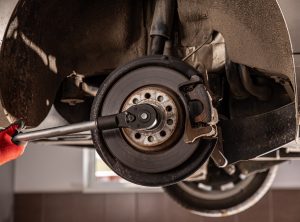
Telltale Brake Symptoms – Squeaks, squeals and grinding indicate worn pads or rotor damage and require immediate care. Constant high-pitched squeal generally means wear indicators on the pads are contacting the rotor.
Hear the noises when you brake, visit a local Olivette shop for inspection. Driving with these noises risks warped rotors and wheel hub damage. Ignoring noises increases your repair bills and makes for uncertain stops, particularly on busy Missouri roads.
- High-pitched squeal: pad wear indicator, likely pad replacement.
- Intermittent squeak only when cold is caused by glazed pads or slight rotor glaze.
- Loud grinding: metal-on-metal contact, rotor damage probable.
- Rhythmic thump or clunk indicates a loose caliper or broken mounting hardware.
- Burning smell with noise: stuck caliper or overheated pads.
Pedal Feel
A spongy or soft brake pedal typically indicates air in brake lines or low or thin brake fluid, which decreases hydraulic pressure and stopping power. If the pedal sinks too low or becomes unexpectedly spongy, get immediate brake repair in Olivette, MO, as stopping distance lengthens and accident potential escalates.
If the pedal vibrates when braking, you probably have warped rotors or uneven pad wear that require resurfacing or replacement. Watch for side-to-side pull while braking. If your car veers one way, that indicates either uneven lining wear or a sticking caliper.
Check pad thickness. When pads are less than approximately 1/4 inch, schedule replacement. The average pad lifespan is around 30,000 miles, but city driving and hills in Olivette decrease that.
Dashboard Lights
ABS or brake warning lights mean get it diagnosed immediately and not to be ignored. These lights typically indicate low brake fluid, sensor faults or an ABS loss of function and need a shop with up-to-date vehicle software for fault reading.
Dash alerts commonly tied to brake health:
- ABS light indicates a wheel speed sensor, ABS module, or hydraulic issue.
- Brake warning light: Low fluid level, parking brake engaged, or hydraulic failure.
- Traction control or ESC light is related to ABS sensor faults that affect braking systems.
- Service engine with brake code: electronic faults needing scan tool.
A pool of fluid beneath the car is an even better indicator of a brake leak. Burst brake lines from overpressure or external damage can cause this. Telltale brake symptoms – Early checks, such as Olivette local shops’ many free brake checks, prevent more complex jobs.
The Inspection Process
An experienced inspection establishes the foundation for any trustworthy brake repair Olivette MO service. The process breaks into three clear steps: visual check, measurement, and road test. These steps answer what, why, where, and how questions so Olivette drivers know the present condition, immediate hazards, and scheduled work.
Our technicians utilize a combination of hands-on experience and specialized tools to inspect drum and disc systems, verify brake fluid levels, and detect problems requiring immediate attention.
Visual Check
Technicians begin by inspecting pads and rotors for cracks, rust, and brake dust buildup. They inspect drum and disc surfaces for scoring, heat spots, and uneven wear that can cause vibrations through the steering wheel.
They track discoveries with images so clients have a transparent view into the issue and service record.
Technicians inspect brake lines and the master cylinder reservoir for leaks and confirm that the brake fluid level is between the minimum and maximum marks on the reservoir. A spongy brake pedal or wetness by fittings can be a telltale sign of a leak.
Shops offer you a checklist of visual inspection items, including caliper condition, hose cracks, pad backing plate wear, rotor thickness, and wheel bearing play, so nothing gets overlooked.
Measurement
Technicians check brake pad thickness and rotor wear against manufacturer specifications and indicate that pads should typically have 3 to 4 mm of material for safe use. They take micrometers and calipers to obtain repeatable rotor thickness numbers and compare actual measurements to the vehicle’s service limits.
Brake fluid testers measure moisture and boiling-point degradation. Fluid quality flunking the test frequently initiates a fluid change suggestion, on top of the rule of thumb changing the fluid every 2 years to stave off internal corrosion.
We take measurements that are recorded in the service file so future visits show clear trends in wear and fluid condition.
|
Item |
Current |
Recommended |
|---|---|---|
|
Front pad thickness |
3.5 mm |
≥ 3–4 mm |
|
Rear pad thickness |
5.0 mm |
Greater than or equal to 3 to 4 mm |
|
Rotors thickness (front) |
0.87 inches |
The specified minimum varies. |
Road Test
The road test reproduces local driving: stop-and-go traffic near Olive Boulevard, short highway runs toward I-170, and residential streets in Olivette to reveal real-world behavior. Technicians listen for scraping, grinding, or intermittent noises and observe if the car pulls to one side while braking.
They watch pedal feel for firmness and travel. A soft or spongy pedal indicates air in the lines or old fluid. ABS is tested by braking under controlled conditions if possible, observing for dash warnings and appropriate pulsation.
All of the road test findings are documented and utilized to recommend repairs, parts replacement, and immediate attention items in order to keep drivers safe and brakes dependable.
Beyond the Pads
Effective brake repair in Olivette, MO covers the whole braking system: fluid, rotors, calipers, and lines, not just pads. New cars employ sophisticated technology that integrates ABS, electronic parking brakes, and sensors with mechanical components. Therefore, a complete system perspective is necessary for secure, dependable stopping.
Beyond the Pads Auto Repair in Olivette, MO auto shops in Olivette have high-tech diagnostics that can read fault codes, pressure data, and wheel-speed inputs. Ask for a full-system inspection, especially before road trips or seasonal weather changes.
Brake Fluid
Regular brake fluid inspection and replacement prevent system failure by keeping hydraulic pressure consistent. Diluted or dirty fluid reduces the boiling point and can result in brake fade and loss of stopping power. This turns dangerous when making consecutive stops on hilly roads or during the stop-and-go traffic we all experience around Olivette.
Beyond the pads, hybrid owners – driving Prius or Accord Hybrid models – need to look for hybrid-friendly brake fluid formulas. These systems are sensitive to fluid and demand fluids that meet manufacturer-specific requirements. Use nothing but quality fluids that meet or exceed the vehicle maker’s standards and insist that shop records include fluid type and change intervals.
Rotors and Calipers
Inspect rotors for warping, scoring, and excessive wear at each brake service since warps cause pedal pulsation and uneven pad wear. Check calipers for leaks, seized pistons, or uneven pressure that will pull the car or heat one side more than the other.
Resurface rotors when runout and thickness permit. Replace rotors when below minimum thickness or deep scoring. Use OEM or high-quality aftermarket parts on rotors and calipers to preserve material standards and longevity. The cheaper parts will wear out quicker and impact ABS tone ring functionality tied to electronic systems.
Brake Lines
Brake line leaks and corrosion are extremely dangerous, particularly on older vehicles or following brutal Olivette winters where road salt causes rust at a rapid pace. Check lines for cracks, surface rust, bulging, and rubber seal deterioration at attachments and flex hoses.
Over the pads, nip steel line or hose erosion in the bud the instant you discover it. A slow leak can turn catastrophic under hard braking. Have expert mechanics do brake line work. Routing, flare fittings, and proper torque are essential, and electronics such as ABS need the right pressure and flow to work as designed.
Choosing Your Technician
Your choice of who to have work on your brakes impacts not only safety but cost and longevity of repairs. At Olivette, select a technician with transparent qualifications, proven experience, and local roots to receive trusted brake repair in Olivette, MO that suits your requirements.
Seek ASE-certified technicians who demonstrate proof of credentials and brake specialization. ASE (Automotive Service Excellence) certification indicates the tech passed rigorous testing and maintains industry knowledge. A certified tech is more likely to use the right torque specs, bed your pads, and resurface or replace your rotors correctly.
Request to view certificates, service records, and examples of previous brake jobs. If you drive an EV or late-model European car, make sure the tech has direct experience with those systems, such as regenerative braking diagnostics and electronic parking brake tools.
Verify the warranty or guarantee on parts and labor prior to scheduling work. Most good shops will warranty their repairs for 12 to 24 months, some as long as 24 months on parts and labor. A written warranty that details exclusions, mileage, and what to do to get coverage minimizes what catches you off guard and benefits you when aftermarket parts let you down.
Get the warranty on paper and save the receipt. Warranties reflect confidence: shops that back their work usually follow correct procedures and use proper replacements. Opt for local shops with great reputations for service and customer care in Olivette and surrounding St. Louis suburbs.
Local shops are apt to be aware of regional vehicle usage, salt exposure over the winter and what tends to cause brakes to seize on the commuter route. Reputation lives in return business and word-of-mouth. For example, shops that use digital inspection tools, such as photo and video evidence of worn pads, scored rotors, or leaking calipers, help you trust the diagnosis.
Digital reports simplify comparing bids and asking informed questions. Select Your Technician Compare online reviews, service lists and appointment availability across neighborhood shops. Consult recent reviews for patterns regarding timeliness, pricing upfront and post-repair problems.
Compare services such as full brake flush, pad and rotor replacement, caliper rebuild, ABS module checks, and EV brake system service. Inquire about the technician team experience. With a combined shop experience of over 52 years, the group is well-versed across domestic, European, and import models.
Check scheduling availability and if the shop provides loaner cars, shuttle service, or same-day estimates for hectic schedules.
Conclusion
We keep your roads safer with local brake care in Olivette, MO. Routine checks detect wear on pads, rotors, and calipers. Pull, grind, or soft pedal are obvious indicators that prompt quick action. A thorough check reveals pad thickness, rotor runout, and fluid age. Inquire of techs about parts brand, torque specs, and brake fluid flush intervals. Choose a shop that posts prices, uses OEM or quality aftermarket parts, and logs repairs. For students and young pros who commute to campus or work, timely brake work reduces danger and saves money on massive repairs.
Stop stumbling around in the dark. Schedule a brake inspection at a reliable Olivette service center today and experience safer, smoother rides.
Frequently Asked Questions
How often should I have my brakes inspected in Olivette, MO?
Check your brakes at least yearly or every 12,000 miles. Check earlier if you hear noise, feel vibration, or notice decreased stopping power. Local roads and stop-and-go traffic in Olivette accelerate wear.
What are the most common brake symptoms to watch for?
Keep an eye out for squealing, grinding, pedal vibration, longer stopping distance or a soft brake pedal. None of these issues mean to get an inspection ASAP to prevent major repairs and safety hazards.
Can I drive to a shop if my brakes are making noise?
A little squeal can be driven to a shop down the street, but if you sense any grinding or loss of brake pressure or pulling to one side, don’t drive. That’s code for towing and safety signs of serious failure.
What does a full brake inspection include?
A complete inspection checks pads, rotors, calipers, brake lines, fluid level and condition, and parking brake operation. Techs measure pad thickness and rotor runout to recommend repairs.
Are brake pad replacements enough or do I need rotors too?
If rotors are scored, warped or below thickness specs, they need to be resurfaced or replaced with pads. A reliable shop in Olivette, MO will measure both and discuss the cost benefit to safety and longevity.
How much should I expect to pay for brake repair in Olivette?
Pad replacement costs between $150 and $350 per axle. Rotor work or caliper replacement raises costs. Get a written estimate and parts breakdown from local shops so you can compare prices and warranties.
How do I choose a reliable brake technician near Olivette?
Select ASE-certified experts, browse area reviews, and find shops with written estimates and warranties. Inquire about parts brands and inspection reports for transparent and reliable service.