- Key Takeaways
- Recognizing The Signs
- Overland’s Climate Effect
- Car Versus Truck AC
- The Repair Journey
- Proactive Maintenance
- The “Defrost Trick”
- Conclusion
- Frequently Asked Questions
- What are common signs my car or truck AC needs repair in Overland, MO?
- How does Overland’s climate impact car and truck AC systems?
- Is AC repair different for cars and trucks?
- How long does a typical car or truck AC repair take?
- What is the “defrost trick” for AC systems?
- How often should I maintain my vehicle’s AC in Overland, MO?
- Can I prevent major AC repairs with regular maintenance?
Key Takeaways
- Recognizing AC problems early, such as inconsistent cooling, odd noises, or smells, is essential to avoiding more complicated repairs and staying comfortable during Overland, Missouri’s hot and muggy summers.
- Overland’s climate with its extreme seasonal swings puts extra strain on vehicle AC systems, making routine tune-ups and proactive maintenance essential to prevent unexpected breakdowns.
- Car and Truck AC Differences in Power, Component Durability & Maintenance Needs Car and truck AC systems operate differently, which means truck owners in Overland should expect more frequent checks and specialized repairs as a result of larger cabin sizes and robust use.
- A thorough repair process in Overland, MO typically includes system diagnostics, leak detection, component repair, and refrigerant recharge. All are performed with attention to local driving and climate conditions.
- Regular seasonal tune-ups, such as checking refrigerant levels and replacing cabin filters, help prolong the lifespan and efficiency of vehicle AC systems, enhance air quality, and minimize the potential for inconvenient breakdowns.
- Using defrost is a good technique for keeping humidity under control, avoiding foggy windows and generally keeping your AC feeling in tip-top shape throughout Overland’s wet and fickle weather.
Car and truck AC repair in Overland, MO refers to repairing or inspecting air compressors in nearby automobiles for optimum ventilation. Shops in Overland perform freon recharges, leak checks, compressor swaps, and blower repairs on multiple makes and models.
Experienced local techs know the Midwest weather, so they make sure ACs work great in heat and humidity. In the following sections, learn what to expect and how to choose a reliable shop.
Recognizing The Signs
Early identification of AC issues in cars and trucks near Overland, MO, saves time and money. Missouri’s humid, long, hot summers make a trusted AC system a necessity. Every symptom, be it altered air flow, a weird noise, or smell can be suggestive of an underlying mechanical issue. Here’s what drivers should watch for to tackle AC trouble before it becomes a pricey repair or a season of downtime.
Common Signs of AC Issues:
- Unusual temperature shifts inside the vehicle
- Abnormal or loud sounds while the AC runs
- Strange or unpleasant smells from vents
- Visible leaks or warning lights on the dashboard
1. The Feel
If the vents stop blowing cold air, that’s usually an early indicator of low refrigerant, which can be the result of even a tiny crack. If your unit is blowing out warm air, particularly on max cool, it’s a clear signal that something is wrong.
Every now and then, weak or irregular airflow indicates a clogged filter or duct. Exchanging the cabin air filter every three to four years keeps air fresh and blocks dust, particularly during pollen-laden Missouri springs.
A sweaty, sticky cabin, where even the AC can’t keep up with the summer heat, usually indicates a bug that should not be overlooked.
2. The Sound
A well-working AC runs soundlessly. Hissing or bubbling sounds, especially when the engine is off, can indicate refrigerant leaks that require immediate repairs to prevent more costly damages.
If it grinds or squeals, it typically indicates a worn-out compressor or pulley. These components wear more quickly in Overland’s extended warm stretches, and discounting the rattling might result in an abrupt failure.
Rattles could be loose bolts or leaves inside the blower. Ticking and whisper-like clicks can indicate that an electrical relay or switch is in the process of failing.
3. The Smell
Musty or sour smells suggest mold, which flourishes in the humid Midwestern air and indicates moisture accumulation in the AC system. A sweet, almost syrup-like smell may indicate a refrigerant leak—a menace that’s less damaging to the earth but worse for passengers and cheaper to repair if caught early.
Burning smells are urgent, usually indicating either electrical problems or wires that have overheated. Both need to be examined by a tech prior to hitting the road again.
Any weird smell when the AC kicks in has me peeking under the hood.
4. The Sight
Peek under the car for puddles or oily stains. These could be refrigerant leaks, especially around AC hoses. Corroded or damaged components such as hoses or the condenser indicate that things aren’t sealed properly, allowing Freon to leak out.
Dashboard AC warning lights indicate that system service is needed. Frost accumulation on the evaporator indicates obstructed air movement, which can damage efficiency quickly. Ignoring these eye-popping clues can transform an easy repair into a costly overhaul.
Overland’s Climate Effect
Overland sits in a spot where the weather moves from hot, sticky summers to harsh, cold winters, and everything in between can be hard on cars and trucks. These shifts make AC systems run harder and burn out faster than most people think. Four-season shifts, crazy pollen, and extended warm spells define local driving demands, turning routine AC maintenance into more than a recommendation.
Overland’s climate effect: Heat and humidity in summer accelerate wear on compressors and hoses. Overland’s climate effect: Long stretches of AC-free winter air dry out seals, leading to leaks. Overland’s Climate Effect High pollen in spring and fall can clog filters, choking airflow and efficiency. Rapid temperature transitions from spring to fall stress electrical and cooling elements. ACs in Overland rides tend to run longer and harder, and that devastates their life span. Routine check ups can detect leaks, wear, and low refrigerant before they escalate to larger failures. The defroster needs the AC to clear moisture, particularly during the muggy summer months. Early maintenance steps can save you expensive repairs in the heat of the season.
Summer Humidity
Overland summers turn up the humidity, and that additional moisture can interfere with how the refrigerant flows through the AC. When the air is saturated with water, the system strains to extract heat from inside the vehicle, potentially producing less cool air and more wear on the compressor. This can wear out vital components prematurely, particularly if the AC hums along for months without pause.
High humidity means the AC will get used a lot more, and that can strain both the blower motor and the evaporator coil. If you’re a frequent driver or have to park outdoors, the AC will be working overtime. Humid air causes additional condensation inside the unit, which can drip and mold or mildew vents. This impacts air quality, which is already an issue in Overland during high pollen counts.
Checking your AC system pre-summer in the refrigerant, cleaning coils, and filter replacement helps prevent these issues before they can begin. This is even more crucial when you consider that pollen and dust adhere to wet surfaces, gumming up the works and forcing it to operate harder. A little TLC now can spare you a lot of headaches later.
Winter Inactivity
Overland’s climate effect: Not running your AC in cold months causes parts like seals and hoses to dry out and crack. Turn the system back on in spring and leaks begin to surface. The refrigerant could be low and if any moisture did get in, that can mix with the cold and freeze, causing clogging.
A savvy move is to book an AC inspection for winter or early spring. This ensures that nothing has withered or cracked during the system’s hibernation. It’s an excellent time for a mechanic to identify and repair minor leaks, inspect the filter, and ensure that the refrigerant is properly charged.
Winter’s bite impacts refrigerant performance. Cold thickens it, impeding its flow performance and causing the AC to drag when you want to defrost your windows. If the AC’s not working right, you’ll see fog start to build up inside the car because the defroster relies on the AC to drive moisture from the air.
Car Versus Truck AC
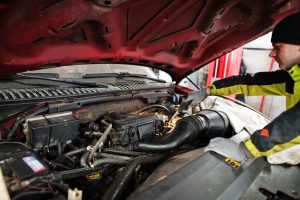
Car versus truck AC in Overland, MO may seem the same. The design and performance are influenced by vehicle size, functionality, and regional climate. The table below highlights key differences to set the scene:
Feature | Car AC System | Truck AC System |
|---|---|---|
Cabin Size | Small to mid-size | Large, sometimes extended |
System Power | Moderate | High, often more robust |
Refrigerant Use | 28-32 oz typical | 32 oz or more, varies by cab |
Component Durability | Standard | Reinforced, heavy-duty parts |
Maintenance Needs | Regular, less intensive | Frequent, more specialized |
Cabin Size
Cabin size is a big factor in AC cooling. Cars, with their cozy cabins, require less power and smaller compressors to keep the air cooled. Trucks, and more specifically crew cabs or larger models, require more from their AC.
This also means bigger compressors, stronger fans and longer refrigerant lines that push the system harder. The airflow inside a truck is different as well. With increased volume and surfaces, air can become stagnant or require more time to cool.
This design results in trucks requiring additional fan stabilization to maintain airflow. Bigger vehicles, in Overland, MO where summers do get hot, may require annual checks to prevent uneven cooling.
System Power
Trucks put more of a drain on their AC than cars do. More power pulls more from the engine, which can reduce MPG if the AC is constantly working hard. Trucks tend to have their systems filled with more refrigerant, often more than 32 oz, to cope with the bigger air volume.
Longer refrigerant lines, as found in extended cabs, require additional attention, particularly when charging during service. This added complexity means that shops in Overland often need specialized equipment to find refrigerant leaks or pressure drops, which are more frequent in large trucks.
These periodic inspections and cleanings prevent small problems from becoming big and expensive.
Component Durability
Truck AC parts such as compressors and condensers are usually built tougher than car parts. Hoses and belts are formulated to withstand more pressure and longer cycles.
Trucks typically have filters that can be washed or replaced more frequently to combat dust and grime from their hardcore activity. Tune-ups are timed for greater wear and longer drives, particularly on work trucks.
Trucks in Overland, MO might encounter more repairs or replacements for these hearty components. It’s not uncommon for trucks to require their belts, hoses, or even fans checked more frequently than cars.
With regular driving, particularly local construction or delivery, tear counts up quickly. Staying on top of the basics, such as cleaning filters, checking refrigerant, and inspecting hoses, does work for both cars and trucks, but trucks get the highest mileage out of a proactive plan.
The Repair Journey
Car and truck AC repair in Overland, MO, is battling Midwest weather and street salt. Dependable a/c protects drivers and freight, particularly when humidity rises or winter chill arrives. The repair journey demands a granular approach, from first check to system recharge.
Below is a table outlining these stages:
Stage | Purpose | Key Actions |
|---|---|---|
Initial Check | Assess system and identify visible issues | Visual inspection, function test, refrigerant check |
Leak Detection | Pinpoint refrigerant leaks | Use of detection tools, pressure test, hose inspection |
Component Repair | Fix or replace faulty parts | Replace components, test parts, document repairs |
System Recharge | Restore optimal operation | Recharge refrigerant, check for leaks, test system |
Initial Check
A close inspection of the AC system kicks off the repair journey. All hoses, belts, and visible wiring are inspected for cracks, corrosion, or wear, which is common after a hard Missouri winter or hard use on roads pounded by freeze-thaw cycles and potholes.
Technicians then test the system’s airflow and cooling capacity. A decrease in cooling or weak airflow could indicate low refrigerant, clogged filters, or problems further within the system.
Checking refrigerant levels helps you catch leaks early and shows if a recharge is necessary. Discoveries are documented, along with images or observations that direct future actions.
This log not only informs the repair strategy but aids in future upkeeping.
Leak Detection
Specialized leak detection equipment, such as UV dye and electronic sniffers, locate lost refrigerant wherever it may be hiding. This is crucial since Midwest humidity can corrode electrical connections.
A pressure test looks for leaks when the AC is off, making it easier to detect slow leaks. We check every hose and fitting for soft spots or oil stains that potentially indicate a crack or loose seal.
Leaks, once discovered, are tagged for repair. This makes sure you don’t get caught with a problem because even a tiny leak can leave you stranded on a hot July day.
Component Repair
Ripped off parts, such as compressors, condensers, or dryer units, are replaced with new OEM-grade replacements, maintaining system reliability. Local shops in Overland favor brands that have proven to withstand summer heat and icy winters.
Once installed, each gets tested. This prevents return trips and protects against safe, long-term use. Repairs are recorded, so it is easier to keep track of expenses and schedule work.
System Recharge
The final step is a complete refrigerant recharge with the correct type for that vehicle. Levels are monitored over time to make certain leaks stay repaired.
A new filter and clean ducts can aid airflow, particularly in dusty months. The ultimate system test, cool, steady air, confirms the repair is a success.
Proactive Maintenance
Being proactive about your car and truck AC system maintenance in Overland, MO is all about anticipating issues before they arise, scheduling tune-ups, making minor adjustments and educating yourself on what will keep your system operating properly.
With the area’s drastic weather shifts, drivers endure both sweltering, humid summers and bitter winters, each setting AC units to the test year-round. Doing things before problems pop up prevents unexpected hiccups, increases your gas mileage, and can maintain your car’s warranty and resale value.
By staying ahead of the curve with seasonal tune-ups and regular filter maintenance, drivers can detect issues early, reduce repair expenses, and ensure their vehicle remains cozy all year long.
Seasonal Tune-Ups
- Schedule spring and fall AC tune-ups with a calendar reminder.
- Inspect compressor, condenser, evaporator, hoses, and belts for wear.
- Inspect for any apparent leaks or oil stains surrounding AC parts.
- Test system pressure and listen for unusual noises when running.
- Top off refrigerant when necessary, using the appropriate kind for your specific model.
- Clean condenser coils and external vents to boost airflow.
- Change out failing O-rings or seals to prevent leaking.
- Turn on the blower motor and test for balanced airflow at all vents.
A good tune-up incorporates more than topping off refrigerant. Pro techs in Overland examine all components, from the compressor clutch to the evaporator drain.
That level of attention ensures they’ll catch worn belts or loose fittings that can cause trouble down the road. If refrigerant is low, it works harder and burns out parts faster. A quick recharge maintains cooling vigor and prevents strain on the AC pump.
Clean components keep the machine humming cooler and smoother, which translates to less shocking when the opportunity really gets fired up.
Cabin Filter Care
Replacing cabin air filters as scheduled keeps air circulating fresh and powerful. A clogged filter forces the blower to work harder, causing weak airflow and foul odors.
In Overland, where pollen levels can shoot through the roof, filters can become grimy sooner than you expect. At every oil change or seasonal check, inspect the filter’s color and texture.
If it’s gray or full of dust, replace it. If you miss it, it can translate into additional allergens in the cabin and reduced cooling capacity, especially in stop and go city traffic. If you’re a driver who spends a lot of time on dusty backroads or in the vicinity of construction sites, your need to check filters is even greater.
A clean filter isn’t just for comfort. It makes the AC system last longer and keeps energy use low. High-end filters are able to catch smaller particles, so the cabin air is cleaner for allergy sufferers.
Educating drivers about this easy maintenance trick pays dividends in the long run, saving money and making every drive more enjoyable.
The “Defrost Trick”
The defrost setting is a secret weapon embedded into most cars and trucks, which you can employ to blow over the windshield and side windows quickly when things outside get muggy. Here in Overland, MO, with its humid summers and wet winters, fogged-up glass is a frequent occurrence. The defrost trick not only improves visibility for drivers in harsh weather, but increases in-cabin comfort by reducing moisture.
It’s called the ‘defrost trick’ and it works by pushing dry, cool air up to the glass, pulling moisture out of the air inside so water doesn’t bead up on windows or settle into the vents. For motorists, mastering the defrost trick can be the difference between a secure commute and a hazardous journey.
Why It Matters
Defrosting right is safety! Fogged up windows can make it hard to spot other vehicles, road signs, or even people, particularly when driving in the morning or following a downpour. In Overland, where the storm of the moment can strike, the chance to de-ice windows quickly can help avoid crashes and protect all of us a little better on the road.
Keeping that cabin comfortable is important too. Defrost helps keep humidity and temperature inside in balance, so glass doesn’t keep fogging up every time outside air gets damp or the car heats up because it’s been sitting in the sun. Mold and mildew can develop in HVAC systems if moisture is allowed to linger.
The defrost trick keeps things dry and helps prevent these issues. When the defrost trick is done properly, it keeps the air fresher and more comfortable for all in the cab. This is crucial for trucks and work vehicles in Overland that could be on the road for hours.
How It Helps
Drivers beware of the defrost trick to clear up foggy windows fast. With a single button push, blasts of dry air shoot upwards to the glass, eliminating moisture that fogs visibility. This is really convenient when it is raining cats and dogs or when you pop into a warm car on a chilly, wet morning.
It balances the cabin’s temperature and humidity, which is an added bonus! Defrost stops that frosted window cycle from fogging and clearing, which makes drives less stressful. It’s a simple routine to pop the defrost mode on for a couple of minutes at the beginning or conclusion of a journey, particularly in Overland’s unpredictable climate.
Using defrost regularly can help the AC system last longer. Moisture can degrade vents, hoses, and seals. The defrost trick pulls water, so the system is in better shape, which means fewer repairs down the road.
Here’s why this “defrost trick” knowledge comes in handy. It allows drivers to maximize their vehicle’s AC. It’s one of those useful tricks that rewards you over a lifetime of driving in Missouri’s mixed-up weather.
Conclusion
Overland’s hot summers can take its toll on any ride’s AC. Temporary fixes may do for a short period of time, but genuine repairs are more durable and economical in the long run. Trucks and cars both require keen eyes to spot leaks or weak air, and that implies people here should not delay. Local shops understand the idiosyncrasies of Missouri heat and can swap components quickly. A good AC makes every ride a cool one, not just the commute to work or school, but weekend excursions as well. To help keep air crisp and cold, stick to the fundamentals: inspect, repair, and maintain your system. For trusted quality work, just stop in at your favorite Overland shop, ask the questions, and witness the difference a pro touch makes. Don’t let a busted AC stall you!
Frequently Asked Questions
What are common signs my car or truck AC needs repair in Overland, MO?
If you’re experiencing weak airflow, warm air, strange odors or odd noises when using your AC, it’s time for a check. These are indications your AC needs repair.
How does Overland’s climate impact car and truck AC systems?
Overland, MO boasts hot, humid summers and cold winters. This adds additional strain to AC units, so maintaining a good AC unit and addressing repairs quickly is key for comfort and optimal performance.
Is AC repair different for cars and trucks?
Yup, trucks have giant AC systems that are sometimes different parts than cars. Repairs and parts can be different, so it is wise to entrust a shop with experience in both.
How long does a typical car or truck AC repair take?
Majority of AC repairs in Overland, MO take a couple of hours. Hard issues might require a day. Your local repair shop can provide a more precise estimate after inspection.
What is the “defrost trick” for AC systems?
The “defrost trick” uses your car’s defrost setting to help remedy AC problems such as the dreaded foggy windows. It passes air through the AC system, helping to dry out moisture.
How often should I maintain my vehicle’s AC in Overland, MO?
It’s recommended to have your AC inspected at least annually, particularly ahead of Missouri’s sweltering summer season. Frequent inspections help identify problems early and maintain your AC serviceable.
Can I prevent major AC repairs with regular maintenance?
Yes. Routine filter swaps and freon inspections can save big repairs. Good proactive maintenance keeps your AC working efficiently and gives it a better life span.