
- Key Takeaways
- Identifying Problems
- Olivette’s Climate
- Common Failures
- Repair Costs
- Proactive Care
- Beyond The Obvious
- Conclusion
- Frequently Asked Questions
- What are common signs of heating or AC problems in my car or truck?
- How does Olivette’s weather affect my vehicle’s heating and AC?
- What are the most common causes of AC or heater failure?
- How much does it cost to repair car or truck heating and air conditioning in Olivette, MO?
- How often should I service my car’s heating and air system?
- Can I prevent heating and AC issues in my vehicle?
- Should I fix my car’s AC or heater myself or see a professional in Olivette, MO?
Key Takeaways
- Being aware of early symptoms that something might be wrong with your car or truck’s HVAC system, including weak airflow, strange noises or strange odors, can save Olivette, Missouri drivers from more extensive issues and expensive repairs.
- Olivette’s humid summers and frigid winters place added stress on vehicle heating and air conditioning systems. It is even more crucial to tend to seasonal maintenance and respond quickly to any performance changes.
- Typical issues such as refrigerant leaks, clogged filters, compressor or electrical faults will all seriously affect HVAC performance and need swift professional diagnosis and repair.
- Auto car and truck heating and air conditioning repair in Olivette, MO.
- Preventative maintenance from regular filter changes to seasonal system checks to intelligent operation keeps your vehicle’s HVAC system running longer and more dependably.
- Taking care of less obvious problems like defroster coverage, sneaky mold, and battery drain keeps your car safe, comfortable, and in fighting shape year-round in the St. Louis metro area.
Auto car or truck heating and air conditioning repair Olivette MO means assistance from local shops who know what St. Louis weather brings. Both shops repair faulty heaters, feeble AC and damaged vents quickly, so motorists remain cozy regardless of the season.
With rapid diagnostics, component replacements and system flushes, we service the most popular brands on Midwest roads and truck routes. Local techs observe Missouri safety regulations when repairing or testing these systems.
Identifying Problems
Auto heating and air conditioning problems in Olivette, MO can sneak up really fast, particularly when the summer months usher in sweltering heat and humidity. By identifying HVAC problems early, you can avoid system failures and save money on major repairs. Most failures begin with quiet warnings and becoming acquainted with these can keep your car or truck humming smoothly all year long.
1. The Feel
Cabin temperature fluctuations are typically the first thing motorists experience. When your heater can’t warm the inside on a chilly Missouri dawn or the AC won’t keep the cabin cool in July, trouble is brewing. If you feel a blast of cold air while driving, that indicates problems with the blend door or refrigerant.
Too much humidity in the cabin, such as windows fogging or that clammy sensation, almost always means your unit isn’t dehumidifying properly, which can be a sign of a failing evaporator or plugged drain tube.
2. The Sound
Weird sounds from under the hood can be a major tip-off. Grinding or squealing when the AC kicks on usually indicates a worn compressor clutch or belt. If you listen to a ticking noise that is intermittent, it could be a misbehaving electrical relay or control module.
Rattles can be caused by loose mounting bolts or brackets, particularly on rough roads. Complete quiet when you anticipate the blower or compressor kicking on is a warning that generally indicates a blown fuse, failed relay, or short.
3. The Smell
Creepy smells in the cabin can’t be overlooked. Mold or mildew commonly grows in the evaporator core if moisture remains, emitting a musty smell. Sweet, syrupy smells indicate a refrigerant leak.
This can create puddles beneath your car, especially during Olivette’s clammy summers. Burnt smells can indicate electrical problems or overheating blower motors. A stubborn musty smell is sometimes nothing more than a clogged or dirty cabin air filter holding moisture and dirt.
4. The Sight
Leaks around hoses or at AC fittings are obvious indications something’s awry. Puddles or wet spots beneath your car, particularly on hot, humid days, typically indicate refrigerant and condensation leaks.
Road salt or age can cause corrosion or rust on the condenser and compressor, which can affect system efficiency. Debris obstructing the air intake or vents restricts airflow and causes your unit to struggle to regulate the temperature.
Pull the cabin air filter. If it’s black with grime or plugged, swap it. Early fixes and yearly tune-ups, particularly ahead of Missouri’s summer, keep your HVAC running at its best.
Olivette’s Climate
Olivette is nestled in the center of Missouri and contends with sweltering summers and freezing winters. This combination of heat, humidity, and cold challenges car and truck heating and air conditioning systems. Olivette’s climate can be brutal with severe temperature fluctuations. July days are muggy and January nights dip way below freezing.
Here’s what these changing conditions mean for local motorists: they must stay on top of their routine HVAC servicing to keep their ride cool and protected regardless of season.
Summer Strain
Humid, hot summers in Olivette are a blowtorching force, with AC units working overtime from June to August. Olivette’s climate is very humid, which makes AC units work twice as hard because they must cool air and pull moisture. This increases the likelihood of components such as compressors and blower motors burning out prematurely.
When the outside air feels heavy, drivers experience diminished cooling, fogged up windows, and extended delays in the cabin feeling cool. Checking refrigerant levels is more important during these months. Low refrigerant makes the AC system strain, resulting in overheating and potential breakdowns.
Just one little leak can be sufficient to prevent the system from cooling efficiently. Mechanics here are pushing us to get it checked before the real heat comes. Good circulation is essential to combating the dampness. Blocked cabin filters, stuck vents, or clogged evaporator drains all make it difficult to maintain cool, dry air inside.
Wet wings breed mold and mildew in this humid air if circulation lags, causing stinky odors and health hazards. A quick once-over before summer can catch these problems early. Taking care of worn belts, low refrigerant, or clogged filters prevents breakdowns when the heat is at its peak.
Local shops suggest an annual AC tune-up, particularly for drivers who are stuck in traffic or park outdoors.
Winter Wear
Once winter hits, Olivette’s climate shifts quickly. Cold snaps stress the heating system. Heaters have to work hard to catch up with subzero temps, particularly on road trips to school in the morning. Running the AC even in winter keeps seals from drying out and mildew from growing in the ducts.
Heater efficiency needs to be inspected at the season’s beginning. Weak airflow, slow warm-up, and too loud noises all mean a deeper problem. Blower motor or heater core issues can leave a car freezing on the street.
Coolant leaks are a problem in cold weather. With cooling temps, small leaks can get worse, leading to low heat or engine issues. Check for wet spots under the vehicle or a honeyed odor in the passenger compartment.
Mechanics recommend inspecting hoses, clamps, and the radiator for cracks. Regular maintenance is key when temperatures fluctuate. Changing coolant, inspecting hoses and testing the thermostat keep the system running smoothly.
Many shops in Olivette provide winter check-ups to snag these issues before they strand drivers on chilly days.
Common Failures
Auto heating and air conditioning systems in Olivette, MO have their own distinctive problems. Missouri is full of humid, hot summer days and cold, frigid winters, straining both car and truck HVAC units. Frequent tune-ups and simple maintenance, such as inspecting refrigerant and replacing soiled air filters, can detect problems before they become expensive.
Refrigerant Leaks
Low refrigerant is the number one reason for weak AC performance in local cars. Drivers could hear the system blow warm air or it takes longer to cool, indicating a leak. Greasy stains near AC hose fittings typically indicate the source of the refrigerant leak.
Other times, the only indication is the absence of cooling following a spring thunderstorm or heat wave. Topping off freon may do the trick for a bit, but if you want a real fix, that leak needs to be located and sealed quickly. Waiting too long can lead to bigger repairs, particularly if the compressor runs dry.
It’s best to plan for a recharge and leak test as soon as cooling subsides.
Compressor Issues
A compressor going bad tears the whole system down. The most obvious symptom is when the AC blows cold and hot air or doesn’t cool at all. Strange noises, such as grinding, rattling or hissing, typically emanate from a compressor on its dying days.
Overheating is yet another concern, particularly if you put the system to hard use during Olivette’s hot, muggy days. Heat can warp internal components, leading to complete failure. If your compressor locks up, replacing it is the only real repair and putting it off can cause even more damage like a burnt-out belt or fuse.
Electrical Faults
Blown fuses, frayed wires, and bad relays are typical headaches in an old car or after a soggy Missouri spring. Fuses blow all the time when the compressor struggles or a component shorts.
Below is a table of typical electrical faults, their symptoms, and solutions:
|
Fault |
Symptom |
Solution |
|---|---|---|
|
Blown fuse |
AC won’t start |
Replace fuse |
|
Bad relay |
AC cycles off randomly |
Replace relay |
|
Loose connection |
AC cuts in/out |
Repair connection |
|
Shorted wire |
Burning smell, no AC |
Replace wiring |
Diagnostic tools such as circuit testers or multimeters allow local mechanics to identify the precise issue. Fast fixes are essential to prevent further system damage, particularly with Olivette’s unexpected weather.
Clogged Components
Neglecting air filters leads to airflow drops and stinky smells in your car. Changing out the cabin filter every 12,000 to 15,000 miles is a necessity, with local pollen and dust.
Common Failures: Debris on condenser and evaporator coils, usually from torrential rain and a lack of cleaning, means the AC has to work harder and less efficiently. Duct blockages can leave some vents blowing weak or no air.
A quick once-over clean every couple of months keeps things rolling smoothly. Only replacing clogged components will restore full performance. Delays result in added strain on the entire system.
Repair Costs
Auto HVAC repair in Olivette, MO, centers on three main cost drivers: diagnostic fees, part prices, and labor rates. Costs can vary widely based on your vehicle, the complexity of the problem, and the shop’s prices. Nailing down a specific estimate prior to work beginning prevents surprises and keeps your repair budget in check.
|
Service Type |
Typical Price Range |
Notes |
|---|---|---|
|
Diagnostic Fee |
$50 – $150 |
May be waived if repairs are performed |
|
Cabin Filter |
$30 – $75 |
Simple replacement, often done during inspection |
|
Refrigerant Recharge |
$120 – $400 |
Includes refill and system test |
|
Minor HVAC Repair |
$150 – $500 |
Simple fixes, e.g., sensor or relay replacement |
|
Compressor Replacement |
$750 – $1,500+ |
Most expensive, varies by vehicle |
|
Major System Repair |
$1,000 – $1,800 |
Includes multiple component replacements |
Diagnostic Fees
Olivette repair shops typically go with an initial diagnosis charge of $50 to $150. This fee includes hours spent diagnosing the HVAC system, pressure testing, leak finding, and smart code interpreting. A few shops will waive or discount the fee if you proceed with repairs.
See if the shop throws in things like a cabin filter check, which can catch issues down the road. By comparing diagnostic fees at local shops in Olivette, you get a feel for the norm and find value. It’s smart to budget for this fee, as it’s a regular aspect of car ownership.
Part Pricing
Standard HVAC parts — compressors, condensers, blower motors — range in price. As an example, a compressor swap can set you back 750 dollars to 1,500 dollars or more. A new cabin filter could run 30 dollars to 75 dollars.
Parts prices fluctuate depending on OEM versus aftermarket. OEM parts tend to cost more but fit better or last longer. Aftermarket parts cost less, but occasionally have shorter warranties. Prices can vary from month to month, particularly during busy repair seasons. If your car is still under warranty, see if HVAC parts are covered prior to paying out of pocket.
Labor Rates
Labor rates in Olivette are $90 to $150 per hour. Some shops have flat rates for routine HVAC work, such as a refrigerant recharge or filter change, while others charge purely by the hour. Flat rates are comforting, but inquire as to what is actually covered.
Repair costs for labor really add up quickly for major repairs, such as replacing a compressor or condenser, so keep it in account in your overall calculation.
Proactive Care
Proactive care for auto heating and air conditioning in Olivette, MO is about more than just repairing issues when they arise. It’s about a consistent schedule of inspecting, scrubbing, and fine-tuning your engine, so minor problems don’t morph into major headaches down the road. Midwest weather shifts rapidly.
Sweltering, humid summers and freezing, damp winters ensure your car or truck’s HVAC system receives a serious workout. Routine maintenance allows you to identify leaks, aging components, or low refrigerant prior to being trapped with no AC in 90-degree weather or no heat in January. A lot of locals swear a once-a-year tune-up from a licensed technician, preferably ahead of the summer scorch, can preempt costly repairs, keep your machine humming, and retain Freon levels.
Even basic habits, such as turning on your AC for a few minutes every two weeks in winter, keep seals pliable and prevent leaks from initiating. These easy steps will extend the life of your HVAC system, save you cash and keep you comfortable on the road.
Seasonal Checks
Seasonal inspections help you get a snapshot of your HVAC’s health before Olivette’s weather changes. A qualified technician should check for leaks, test the blower, and measure refrigerant pressure in spring and fall. If cooling power or heat dips, they will hunt down the culprit before it becomes a full breakdown.
Refrigerant levels require special attention before summer and winter. Low refrigerant results in less cooling and it stresses the compressor. Looking for leaks or worn hoses during regular visits can catch trouble early.
Small leaks left alone can drop system pressure and cause costly damage over time. Missouri has some crazy weather. Prepping your HVAC by testing system performance and listening for weird noises or smells helps you avoid sweating or freezing through an unexpected heatwave or cold snap.
Smart Usage
Working your HVAC system smart can keep it working longer. Short AC bursts in the winter keep seals healthy. Don’t let the AC run for long stretches when it’s cool out. This saves energy and slows wear.
On hot days, toggling to recirculation mode cools the cabin quicker and eases the burden on the system. Keeping an eye on the temps and not running the blower at full tilt all the time reduces strain and tear.
Filter Swaps
Swapping out cabin air filters is a simple yet essential move. Most techs recommend switching filters every 12,000 to 15,000 miles or at every service appointment. Clogged filters obstruct air circulation, reduce the efficiency of the system, and cause you to inhale dust or pollen.
Top-notch filters endure and purify, particularly through Olivette’s pollen-laden springs. Logging your filter swaps ensures you never forget and your HVAC runs at peak efficiency.
- Steps for seasonal HVAC care:
- Book annual or bi-annual tune-ups, particularly pre-summer.
- Run AC for a few minutes in winter to keep seals flexible.
- Detect changes in temperature from vents.
- See if there are any strange smells or sounds.
- Change air filters on schedule.
Beyond The Obvious
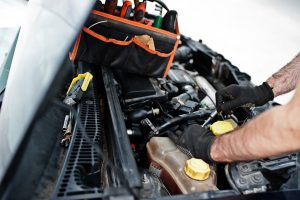
Auto heating and air conditioning repair in Olivette, MO, is more than just mending the broken. The area’s humidity, pollen, and massive temperature swings place special requirements on cars. Tackling the not-so-obvious problems, such as defroster performance, hidden mold, and battery drain, can help keep your car or truck safe and reliable throughout the year.
Defroster Performance
Testing the defroster is not just for winter; it is for safety all year round. Olivette cars are battle-hardened, having survived icy winters and humid summers. A weak defroster is equivalent to foggy windows and the inability to see.
Run the defroster for a few minutes on humid days and see if the windshield clears quickly. If vent airflow is weak or does not reach side windows, it is an indication of blocked ducts or a blower motor issue. Heater and defroster must cooperate.
A cold defroster can’t defrost, particularly when outside temperatures are below freezing. If only parts of the windshield defrost, the heater core or blend door may be to blame. Arrange repairs immediately when defroster efficiency decreases. You’re playing with fire if you wait.
Hidden Mold
Mold hiding in your HVAC system impacts air quality and health, even though no one sees it. High humidity in the Olivette area makes vehicles more susceptible to moisture buildup in vents and ducts, particularly if the AC system isn’t regularly used or the cabin air filter is ancient.
Check for a musty smell when you switch on the fan—that’s mold. Moisture inside ducts, particularly after rains, is another danger signal. Mold spores can cause allergies, so professional treatment is logical if you suspect infestation.
Changing filters on time and cleaning coils get rid of mold and keep the air fresh, particularly if you have high pollen seasons. Mold can cause long-term respiratory issues if ignored, so swift intervention is crucial.
Battery Drain
HVAC systems can easily suck batteries dry, especially in trucks or cars with older electrical systems. If your battery wimp’s out on cold mornings or after max-cooling the AC, the HVAC might be to blame.
Sluggish cranking or dim lights after using the heater or AC are indications that your battery may need to be checked. Coordinate battery checks with HVAC service visits, particularly prior to winter.
Heat and cold kill batteries fast, and low batteries can leave you stranded. If testing indicates that the voltage is low, replace the battery to prevent trouble down the road.
Conclusion
To repair heat or air in your auto or truck in Olivette, trust the guys who understand the local climate and how it affects your drive. Shops here detect leaks, replace blown fans and recharge A/C systems quickly. Techs employ gauges, thermal cameras and pressure testers, so nothing slips past them. They know Chevys, Fords, Toyotas and old pick-ups too. When you keep heat and air strong, you stay comfy, safe and sharp behind the wheel, with no baking or shivering on Olive Boulevard or St. Louis rush hour. Wish to stop large repairs? Schedule a checkup before trouble begins. Call your local shop today or drop in for a visit. Stay cool, stay smart, keep rollin.
Frequently Asked Questions
What are common signs of heating or AC problems in my car or truck?
You might encounter weak airflow, weird smells, or funky noises from the vents. If the air isn’t getting warm or cool enough, it’s time for a checkup.
How does Olivette’s weather affect my vehicle’s heating and AC?
Olivette’s hot summers and cold winters place extra wear on your heating and AC. Daily wear and temperature fluctuations can lead to more frequent repairs.
What are the most common causes of AC or heater failure?
Leaking refrigerant, broken blower motors, clogged filters or faulty thermostats are primary offenders. Age and neglect contribute significantly.
How much does it cost to repair car or truck heating and air conditioning in Olivette, MO?
Costs vary from one hundred dollars for small repairs to over one thousand dollars for major work. Our price varies depending on the problem and your vehicle’s make and model.
How often should I service my car’s heating and air system?
Professionals suggest having your system inspected at least once annually. Early spring or fall is best to prepare for intense temperatures.
Can I prevent heating and AC issues in my vehicle?
Yes. Routine tuneups, air filter changes, and running your system all year long can help you avoid big issues.
Should I fix my car’s AC or heater myself or see a professional in Olivette, MO?
It’s best to visit a licensed Olivette expert. They possess all of the necessary tools and expertise to repair problems safely and properly.