- Key Takeaways
- Common Brake Problems
- Maryland Heights Driving
- Technician Expertise
- Cars Versus Trucks
- Beyond Brake Pads
- Your Investment
- Conclusion
- Frequently Asked Questions
- What are the most common brake problems for cars and trucks in Maryland Heights, MO?
- How often should I have my brakes inspected in Maryland Heights?
- Can I use the same brake parts for my car and my truck?
- When should brake fluid be replaced?
- Are brake repairs more expensive in Maryland Heights than nearby areas?
- How can I tell if my rotors are warped?
- Is it safe to keep driving with a minor brake noise?
Key Takeaways
- Discovering brake problems early saves on expensive repairs and keeps Maryland Heights drivers safe. Arrange inspections at a trusted local shop when you hear squealing or grinding or notice warning lights on your dashboard.
- Modern repair shops in the St. Louis area employ diagnostics and ASE-certified mechanics to identify issues such as air in brake lines, rotors or calipers stuck or sticking and suggest targeted hydraulic or component repairs.
- Factor in local issues like St. Louis seasonal extremes, potholes and heavy Maryland Heights traffic by supplementing with seasonal checks and more frequent inspections for trucks and delivery vehicles.
- Complete brake service is more than just pad replacement and should encompass brake fluid checks and flushes, and caliper and hose inspection. It should include a multipoint inspection to avoid spongy pedals and system corrosion.
- For car and light truck, select established shops that offer transparent, itemized estimates, documented service records, and warranties or service guarantees to safeguard long-term value and minimize surprises.
- Go for shops that have ASE or NAPA Gold type credentials, ongoing technician training, and up-to-date diagnostic equipment to ensure reliable repairs and quick turnaround for Maryland Heights drivers.
Car and truck auto repair brake repair Maryland Heights MO refers to local services for brake pads, rotors, calipers, and hydraulic systems in Maryland Heights, Missouri. Shops here adhere to Missouri safety standards and utilize standard US parts such as DOT brake fluid and SAE-rated materials.
Technicians frequently service fleet trucks and personal cars. They provide free brake inspections and offer written estimates. Below are average prices, repair times, and warranties available in the region.
Common Brake Problems
Brakes go bad in a couple of easy-to-anticipate manners. Here are the most common problems in Car and Truck auto repair in Maryland Heights, MO, listed with symptoms, causes, and what those symptoms mean for safety and expense.
- Squealing or high-pitched noises. Squealing typically indicates worn pads, a glazing condition or cheap hardware that vibrates at certain speeds. In those Maryland Heights stop-and-go driving patterns in town, pads wear faster, so those strange sounds emerge earlier.Symptom: persistent high-frequency sound when braking; may come and go with speed or temperature. Implication: left unchecked, worn pads can damage rotors, raising repair costs. Early pad replacement is relatively low cost and prevents rotor machining or replacement.
- Squealing, grinding or deep metal-on-metal sounds. Grinding is often metal contacting metal: pads worn through to the backing plate or loose components scraping rotors.Symptom: loud, harsh grinding under braking; often with a brake vibration. Implication: urgent service required to avoid rotor scoring, caliper failure, and higher parts and labor bills.
- Common brake problems soft or spongy brake pedal. A squishy pedal can indicate air in the lines, low brake fluid from leaks, or failing master cylinder seals.Symptom: pedal travel longer than normal, need more force to stop. Implication: braking distance increases. Professional hydraulic diagnosis and fluid service fix the issue.
- Car pulling to one side while braking. Pulling means an imbalance: uneven pad wear, stuck caliper, or rotor variations.Symptom: car drifts left or right during stops; tires may show uneven wear. Implication: alignment and brake service needed; ignoring it worsens tire wear and safety.
- Many dash brake lights. Lights for ABS faults, low fluid or sensor errors — newer cars have sensors and will flag a problem before it gets this far.Symptom: steady or flashing brake/ABS light on dash. Implication: a diagnostic scan finds codes. Prompt repair avoids failing state inspections and more costly failures.
Local Maryland Heights auto repair shops use precision diagnostics — scan tools, pressure gauges, and rotor measuring tools — to identify faults rapidly and minimize unnecessary parts replacement.
Routine maintenance matters: most vehicles need a brake check every six months or about 20,000 miles, though city drivers or those on hilly routes will need checks sooner. Modern disc systems consist of pads, rotors, and calipers.
Techs note noise, vibration, leakage, and sensor codes. Early detection cuts repair bills and keeps stopping power reliable. Neglect lets small wear turn into rotor or caliper replacement and higher costs.
Replacing pads at 50% wear saves rotor machining. Fixing a stuck caliper stops rapid pad wear and uneven tire wear.
Maryland Heights Driving
Maryland Heights driving combines city stop and go with suburban stretches and constant short runs, a rhythm that immediately influences Car and Truck auto Repair Brake Repair Maryland Heights MO service requirements. Local road realities make brakes, tires and suspension wear show up earlier than on long highway runs.
Maryland Heights driving requires drivers to tune routine maintenance to that reality instead of generic schedules.
St. Louis Weather
St. Louis weather fluctuates between hot, humid summers and icy winters, and those fluctuations alter brake performance throughout the year. Heat can accelerate fluid degradation and pad fade on extended uphill climbs or stop-and-go traffic in summer, while wintertime ice and road salt cause corrosion of calipers, lines, and hardware.
Try to schedule seasonal checks before winter and after summer heat peaks to catch fluid contamination, worn pads, or corroded components. Tire services matter here too: check tread depth, pressure, and alignment before cold snaps and after road salt season ends.
Routine checkups reduce the risk of weather-induced brake or tire failure, and quality parts rated for Midwest winters and hot summers, such as rust-resistant calipers, DOT-rated tires, and proper brake fluid, minimize failure and prolong service intervals.
Local Road Impact
Potholes and local construction in Maryland Heights speed up wear on brakes and suspension and can throw wheel alignment out of spec in one hit. Stop-and-go commuting with heavy traffic and constant braking subjects rotors and pads to high thermal and mechanical stress.
Regular brake checks every few thousand miles for local commuters, along with occasional suspension check-ups, prevent minor problems from turning into costly breakdowns. Shops that know Maryland Heights patterns will look for telltale signs: uneven pad wear, bent control arms, and loose strut mounts.
Maintain a service history record indicating the dates, mileage, and road-repair-related fixes. Such documentation enables techs to suggest preventative work and assists fleet budgeting.
Truck-Specific Wear
Duty trucks and delivery vans in the area experience greater braking loads and more tire heat buildup than passenger vehicles, which increases failure risk on stop-light-studded routes. Truck owners need to stop by a shop for light truck repair on a more regular basis that has heavy-duty lifts, brake bled systems, and technicians trained in commercial configurations.
Match maintenance to actual use: delivery routes with many stops need shorter service intervals than highway haulers. For fleets, take advantage of usage-based plans, keep spares like rotor sets and heavy-duty pads in stock, and record each inspection to monitor wear trends and maximize uptime.
Technician Expertise
Technician expertise dictates the quality of Car and Truck auto Repair Brake Repair Maryland Heights MO services, influencing diagnostic precision, repair durability, and customer trust. Our skilled technicians combine certifications, experience, and transparent communication to provide factory-standard repairs for the local driving demands in the St. Louis metro region.
ASE Certification
ASE signifies auto repair proficiency and indicates a technician’s technical skill. Seek out ASE-certified mechanics when selecting a shop. Certification indicates a baseline of knowledge as well as a commitment to adhere to factory repair standards and best practice guidelines.
ASE-certified technicians are up to speed on today’s vehicles, such as ABS, electronic brakes, and advanced engine controls. It’s not just for cars but for trucks too. Maryland Heights local shops with ASE technicians will usually offer a printed description of required repairs and how those repairs connect to inspection and safety standards.
- Tips on what to look for in certified technicians and repair shops:
- Visible ASE credentials posted in the shop or on technician IDs.
- Clear, written estimates and parts breakdowns for brake jobs.
- References to factory procedures or service bulletins.
- A willingness to explain tests and show worn parts.
- Local business longevity and customer reviews specific to Maryland Heights.
Modern Diagnostics
High tech diagnostics enhances repair precision for Car and Truck auto Repair Brake Repair Maryland Heights MO by discovering flaws that are unseen to the naked eye. Our modern shops utilize scan tools, oscilloscope readings and brake system analyzers to determine the problem promptly and generate reports.
Selecting a shop with state-of-the-art diagnostic equipment minimizes blind servicing and prevents costly part changes or expensive return visits. Technicians employ digital readouts to map live data against manufacturer specs, saving rework time and cost and avoiding flame outs.
Technicians with decades of experience mix these tools with pattern recognition. For instance, a seasoned tech can identify a hydraulic problem from waveform traces and validate it with a pressure test.
Continuous Training
Continuing training ensures technicians stay up to date as vehicle systems evolve. Ongoing training includes new compounds, electric parking brakes, regen braking on hybrids and revised install procedures for pads and rotors.
Shops that invest in technician expertise create safer repairs and a superior customer experience since employees share what will pass inspection and why. From classic car brake rebuilds to modern EV systems, trained teams can handle it all.
Most of our Maryland Heights technicians began in family garages, apprenticed on jobs, and have since blended that experience with classroom training. Others have close to half a century in the business and deploy years of experience, scatterwrenches and master craftsman-level expertise to work on hydraulics, transmissions and axles while keeping customers updated on their process.
Cars Versus Trucks
Cars and trucks differ in design, use and brake repair needs and those differences matter for Car and Truck auto Repair Brake Repair Maryland Heights MO. Here’s a brief apples-to-oranges comparison to establish context before we dive deeper.
|
Brake-related factor |
Cars (including sedans, compact SUVs) |
Trucks (light-duty, heavy-duty) |
|---|---|---|
|
Typical brake pad size |
Smaller pads, less mass to stop |
Larger pads, higher heat tolerance |
|
Rotor/drum stress |
Lower thermal load in city use |
Higher thermal load with towing/haul |
|
Service interval |
Often 30,000–70,000 miles depending on driving |
More frequent under load; 15,000–40,000 miles possible |
|
Brake fluid and lines |
Standard DOT systems |
May require heavy-duty lines, higher-spec fluid |
|
Parking brake wear |
Moderate |
Higher on steep grades or heavy loads |
|
Cost of parts & labor |
Lower average cost |
Higher, especially for heavy-duty parts |
Trucks and commercial vehicles need heavier-duty parts and more frequent service. They have more mass to carry and endure higher thermal and mechanical stress on a regular basis.
In Maryland Heights, MO, where local industries and suburban hauling collide, trucks do highway miles and stop-start work. That’s what zips around and speeds up wear on rotors, pads, calipers, and wheel bearings. Heavy towing pushes brake temperatures up, causing glazing and warp. Go for high-grade pads and rotors rated for repeated high heat instead of passenger car parts.
Local shops in Maryland Heights provide customized schedules for both family cars and business fleets to align with those use patterns. Your standard family commuter and errand-hopping automobile requires regular tune-ups timed to standard urban traffic and the occasional highway jaunts.
Some still manage almost 30 mpg on mixed driving, so brakes sometimes have a longer lifespan. Fleet vehicles and work trucks deserve tighter intervals, pre-trip inspections, and documented service logs to steer clear of downtime. Shops will suggest separate fluid change intervals, enhanced cooling or vented rotors, and heavy-duty hardware for trucks.
Double-check your vehicle’s needs with a savvy mechanic who can decipher load ratings, tow packages, and suspension configurations. Trucks tend to have higher ground clearance and rugged suspension for off-road or hauling, which alters brake geometries and load paths relative to cars’ lower center of gravity and more responsive steering.
Trucks may be more expensive, but they provide increased clearance and utility. Cars win on maneuverability, parking, and repair costs. Think about lifestyle, family size, and towing frequency when selecting parts and service plans.
Beyond Brake Pads
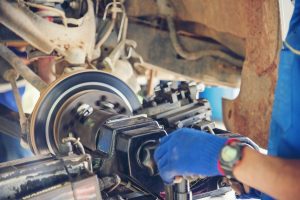
Complete brake service is about so much more than replacing worn pads. Beyond just changing brake pads, when we do a full brake check for Car and Truck auto Repair Brake Repair Maryland Heights MO, we check fluid, calipers, hoses, rotors, wheel alignment, suspension, and related electrical and engine systems that can impact stopping power.
Checking them together provides a more complete view of safety and avoids that dreaded return trip to the shop.
Brake Fluid Health
- Checklist: Dark or cloudy fluid, low fluid level, soft or spongy brake pedal, visible leaks, fluid older than two years, high moisture reading on DOT tests.
Routine inspections and periodic flushes at an expert Maryland Heights auto shop keep it free of contaminants and brake fluid degradation that compromises stopping power. Brake fluid absorbs moisture as the years go by, increasing boil risk and causing internal rusting.
This can result in a spongy pedal and choppy braking. Including brake fluid inspection with your oil change and multipoint check keeps the system healthy and minimizes the risk of ABS faults and other electronic errors.
Caliper Function
Calipers press pads on rotors. They transform hydraulic pressure into the friction that halts a vehicle.
Check calipers for leaks, seized pistons, rusted slides, uneven pad wear and fluid seepage at every brake service. Use quality auto parts or OEM replacements when rebuilding or replacing calipers to maintain proper fit and corrosion resistance.
Timely caliper maintenance avoids stuck brakes, warped rotors and higher labor costs down the road. It keeps stops even, which preserves suspension, tires and wheel alignment.
Hose Integrity
Brake hoses have to be flexible, crack-free, free of bulges and leaks to reliably carry hydraulic pressure.
Older cars and those driven on salted winter roads throughout the St. Louis metro area require additional hose inspections. A cracked hose can balloon under pressure or burst, resulting in sudden brake failure.
Replace any questionable hose immediately. Incorporate hose inspections into all full brake inspections and multipoint service, allowing technicians to identify damage at an early stage.
When hoses and calipers are good, other systems, such as battery, electrical diagnostics, cooling, and transmission, can be checked together to avoid associated failures.
Beyond pads: check wheel alignments, suspension, battery testing, air filters, belts, and engine diagnostics as part of a full-service menu.
Drivers who’ve overlooked these have commonly experienced transmission slipping, fluid leaks, or hard shifting after leaving brake or fluid maintenance unattended. Schedule a free multipoint inspection with regular maintenance to detect rotor scoring, ABS lights, or early signals in electrical systems before they lead to a breakdown.
Your Investment
Your car is a major investment that requires consistent maintenance to maintain value, safety, and reliability. In Maryland Heights, selecting Car and Truck Auto Repair Brake Repair Maryland Heights MO from the right shops counts more than pursuing cheap initial rates. Good service safeguards resale value, reduces roadside hazards, and constrains long-term expenditures.
Examine warranty coverage and service guarantees prior to signing off on work so you’re aware of what’s covered and for how long. Anticipate transparent billing with parts, labor hours, and tax itemized on an invoice for cost comparison and service history follow-up.
Transparent Estimates
Demand explicit, line-itemized estimates prior to work beginning. A good shop in Maryland Heights will provide a parts list, labor rate, hours, and any disposal fees. Detailed estimates foster confidence and reduce the danger of unexpected fees when you grab your keys.
Compare at least a couple estimates from different Car and Truck auto Repair Brake Repair Maryland Heights MO shops to find your best value. Price alone isn’t sufficient. Seek out shops that describe why each service is recommended. Have technicians identify worn parts and show images when available.
If a repair contains optional services, ask for a line for each. This simplifies both work prioritization and budgeting for the future. Carry estimates in your glove box or phone.
Long-Term Value
Routine maintenance and prompt brake repair extend the life of a car or truck. Preventative work, such as fluid changes, pad and rotor checks, and scheduled inspections, costs less than repairing damage caused by a failure. A maintained car is worth more, which counts if you sell or trade it.
Select stores with national warranty and ride guarantees so you’re covered if you venture beyond St. Louis. Track service history in a straightforward log with dates, odometer readings, and shop names. This inspires buyer confidence and resale value.
Consider lifestyle and budget: for commuters in Maryland Heights, reliability often outweighs cosmetic upgrades. Certain owners are emotionally attached to their cars. That’s OK, but match pride with records and affordable budgets. Others view cars as business expenses, where with scrupulous upkeep they can avoid expensive breakdowns and missed work.
Service Guarantees
|
Guarantee Type |
Typical Coverage |
Typical Length |
|---|---|---|
|
Parts warranty |
Defects in new parts |
12–36 months |
|
Labor warranty |
Faulty workmanship |
90 days–12 months |
|
Nationwide warranty |
Parts + labor at network shops |
12–36 months |
|
Ride guarantee |
30–90 days |
NAPA Gold Certification and other seals provide that extra confidence by establishing standards for parts and shop practices. Always inquire if warranties include parts and labor and what exceptions are in place. Service guarantees demonstrate a shop’s desire to support its work and provide customers with reassurance.
Conclusion
Great brakes make a real difference and finding solid brake service in Maryland Heights. Local shops know the roads off Page Avenue and by Westport. Techs scan your car or truck quick, detect worn pads, warped rotors, or soft pedal feel, and recommend what parts fit best. Brake jobs bring back that stop power, reduce repair expense in the longer term, and maintain you risk-free on wet or icy days. For a work truck, anticipate beefier pads and a stiffer inspection. For a commuter car, think rapid pad swaps and rotor inspections. Choose a shop that provides test results, uses OEM or premium replacement components, and provides a transparent cost. Call for an estimate or drive it in for a brake check today.
Frequently Asked Questions
What are the most common brake problems for cars and trucks in Maryland Heights, MO?
Most common are worn brake pads, warped rotors, leaking calipers, contaminated brake fluid and ABS sensor problems. Local driving conditions, such as highway merging and stop-and-go suburban traffic, make pad and rotor wear a frequent event.
How often should I have my brakes inspected in Maryland Heights?
Get your brakes checked at least once a year or every 12,000 miles. Check earlier if you hear a squeal, sense pulsation, or experience diminished stopping power.
Can I use the same brake parts for my car and my truck?
Not always. Trucks require beefy pads and rotors, and occasionally different calipers or brake lines. Utilize vehicle weight and towing needs matched parts for safe stopping.
When should brake fluid be replaced?
Change brake fluid every two years or in accordance with your vehicle manufacturer. Moisture buildup lowers the boiling point and can cause brake fade, especially during heavy braking or towing.
Are brake repairs more expensive in Maryland Heights than nearby areas?
Prices are comparable to the St. Louis metro area. Labor and parts differ by shop and parts quality. Request written estimates and compare warranties to ensure you are getting the best value.
How can I tell if my rotors are warped?
You will experience a pulsation in the brake pedal or steering wheel when braking at moderate speeds. A reliable mechanic can verify this by checking rotor runout and thickness.
Is it safe to keep driving with a minor brake noise?
No. Even slight noises can indicate pad wear or rotor damage. Let us check your brakes before they cost you a fortune or before you don’t stop safely on the local roads and highways.