- Key Takeaways
- Overland Repair Choices
- The Overland Gauntlet
- Truck-Specific Troubles
- The Neighborhood Advantage
- Proactive Vehicle Care
- The Diagnostic Difference
- Conclusion
- Frequently Asked Questions
- What services do car and truck repair shops in Overland, MO offer?
- How do I choose the right repair shop in Overland?
- Why is regular vehicle maintenance important?
- How do I know if my truck needs specialized repairs?
- What are the benefits of local repair shops in Overland?
- How does diagnostic testing help my vehicle?
- Can I prevent major repairs with proactive care?
Key Takeaways
- By investigating a variety of car and truck repair options in Overland, be it independent garages, specialty shops, dealership services, or even mobile mechanics, vehicle owners can choose services that best align with their technical needs and availability.
- Local mechanics and independent garages can be a great alternative to bigger dealership networks because they often provide competitive prices, personalized service, and community trust.
- Specialty shops with high-end diagnostic equipment offer precise repairs for specific systems.
- Preventative maintenance like tune-ups, oil changes, and winterizing increases the longevity of your car and minimizes costly repairs, particularly in areas that experience harsh seasonal weather.
- Trucks and commercial vehicles demand their own unique approach to care, considering factors such as drivetrain strain, brake wear, and diesel engine requirements. This highlights the importance of specialized knowledge.
- Using the latest diagnostic tools and premium components guarantees precise repairs, boosts performance, and promotes lasting durability across the vehicle spectrum.
Nearby auto repair shops provide simple solutions such as oil changes, brake inspections, and engine repairs. Most assist with difficult repairs and routine service.
Shops have current tools and trained personnel to satisfy safety requirements. For proper treatment, owners have their choice of either independent garages or larger service centers in Overland.
Overland Repair Choices
The best car and truck repair in Overland, Missouri is understanding what options exist and what benefits they provide. Local drivers have the choice of independent garages, specialty shops, dealership service centers, and mobile mechanics. Each repair option has unique advantages for routine upkeep or emergency repairs.
Deciding comes down to your car’s needs, time, and budget.
- Independents provide cheaper rates, individual attention, and customizable packages.
- Specialized shops are dedicated to specific types of vehicles or particular repairs and employ sophisticated equipment.
- Dealerships offer brand expertise and warranty service under one roof.
- Mobile mechanics come to you, making repairs easy for busy drivers.
1. Independent Garages
Overland’s independent garages rely on community connections and referrals. They maintain reasonable pricing by bypassing national brand markups. These mechanics tend to be familiar with local roads and what cars in the area deal with year-round, whether it’s winter salt or summer heat.
Repairs mold to your everyday driving, not simply the book. Personal service is another bonus. Repair places recall your vehicle’s past and deal honestly with you about what requires repair.
You can get assistance quickly if you call or drop in because little independent shops don’t have waiting lists. Customers rely on these stores because they develop relationships over years, not just a visit.
2. Specialty Shops
Specialty shops focus on brakes, transmissions, or single brands. Staff know the ins and outs of these systems. They use tools fit only for specific repairs, so they detect issues others would overlook.
For instance, a brake shop is going to have sensors and gauges to test every component, not just the pads. This more profound expertise can imply longer-lasting fixes. You receive components that fit your vehicle’s requirements, such as ceramic brakes for superior heat management.
Whether it’s electric cars, classic trucks, or imported models, these shops can provide a fix, filling a niche for owners who require more than a patch job.
3. Dealership Service
Overland repair options include dealership service centers that have factory-trained techs. They use original components and adhere to tight guidelines, ensuring your warranty remains intact. Anything from oil changes to engine rebuilds all gets done in one location.
This spares you the hassle of jumping from job to job. However, dealer prices are often more expensive, and their guidelines may prevent them from servicing vintage cars or aftermarket enhancements.
Wait times can be extended, and you could be charged for add-ons you don’t require. Always verify that the age and needs of your car line up to what the dealer is offering.
4. Mobile Mechanics
Mobile mechanics travel to you — home, parking lot, or job site. They carry tools and parts for most repairs, such as battery replacements, brake work, or oil changes. This helps you avoid being in line or having your vehicle towed.
They schedule their work around your schedule, with fast booking and same-day assistance. For students and workers with tight schedules, this is a huge assistance.
A few mobile mechanics tackle major repairs, while others remain basic. Be sure to see what each offers before booking!
The Overland Gauntlet
Overland, Missouri presents its own unique series of hurdles for car and truck owners. The climate, the road conditions, and driving manner all conspire to create a brutal environment for vehicles. It manifests itself here in ways that might be atypical elsewhere. Knowing all of this is what keeps vehicles dependable and safe.
- Potholes and cracked roads
- Heavy rainfall and flash flooding
- Snow and ice in winter months
- Temperature swings between seasons
- Frequent stop-and-go traffic
- Construction debris and loose gravel
Weather Wear
Missouri weather swings. Cold, snowy, and icy winters followed by blisteringly hot, humid summers are hard on every inch of a vehicle. Rubber seals can dry out and crack. Batteries are stressed by both heat and cold.
Paint peels and metal rusts faster, especially from winter road salt. Planning maintenance around these seasonal shifts is logical. Checking your coolant before summer and making sure your battery is strong prior to winter can prevent breakdowns.
Rust-proofing is a good idea if you keep your vehicles for the long haul. Undercoating a car or truck offers protection against accelerating rust because these corrosive processes begin without our being aware of them. Routine inspections are crucial.
Inspecting brakes, wipers, and tires seasonally allows you to detect weather-related damage before it worsens. Even tiny things, like washing away salt after snow, aid longevity.
Pavement Problems
Rough roads are the norm in Overland. Potholes multiply after freeze-thaw cycles and undulating pavement strains tires and suspensions. These conditions cause alignments to drift and shocks to wear out faster.
Drivers may hear clunks or experience vibrations from the steering wheel. Sometimes you’ll feel the car pulling to one side or notice uneven tire wear. If any of these signs appear, it’s best to have an inspection immediately.
Early fixes keep the cost down. Neglecting minor scrapes results in major maintenance, such as entire suspension arms or multiple tires all at once. Even a small crack in a wheel rim can cause air leaks and flats.
Taking care of road rash in a timely fashion saves money and helps keep the vehicle safe.
Stop-Go Strain
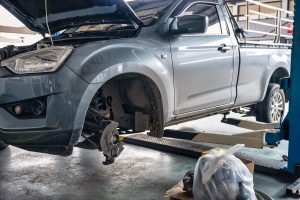
Urban driving in Overland is endless stops and goes. This tears through brake pads and rotors quickly. Engines labor under this transition from idle to acceleration, particularly in stop-and-go traffic.
Routine brake inspections detect wear before it jeopardizes safety. Listening to the brakes — softness, grinding noises, or extended stopping distances — can indicate it’s time for service.
How folks drive influences maintenance. Frequent stops, hard acceleration, and riding the brakes all accelerate wear. Acceleration on curb cuts and speed bumps, avoiding hard braking, leaving space, and planning stops can help reduce strain.
Fuel consumption goes down. Maintaining oil changes, fluids, and service intervals all assist in keeping cars and trucks running strong in Overland’s grueling stop and go environment.
Truck-Specific Troubles
Trucks, particularly those that are work or commercial trucks, tend to experience different issues than regular cars. These vehicles handle heavier loads, longer distances and rougher terrain, so their maintenance requirements are unique.
Here are some of the most common truck repair problems:
- Drivetrain issues, like worn universal joints or faulty differentials
- Brake wear and overheating from hauling heavy loads
- Transmission problems, especially with towing or stop-start driving
- Suspension damage from rough, uneven surfaces
- Electrical faults caused by vibration or added aftermarket equipment
- Exhaust and emission system failures, common in diesel trucks
- Cooling system leaks or blockages under constant stress
Truck-Specific service includes parts engineered for superior performance under greater loads, shop mechanics trained to understand these systems, and diagnostic equipment sized for big rigs. Routine maintenance is key. Skipping checks can result in major breakdowns, lost work time, and far higher repair bills.
Workload Wear
Heavy loads cause additional stress on every component of a truck. Axles, bearings, and bushings go out faster when a truck tows or hauls near its rating. Brakes fry and fade, particularly on hills or in stop-and-go traffic.
If you tow every day or drive hundreds of miles, check brakes, tires and suspension more frequently. Look for uneven tire wear, soft brake pedals or strange undercarriage noises. These indicate components under strain or impending failure.
Upgrading bushings to polyurethane, heavy-duty shock absorbers, or performance brake pads can help trucks go the distance even in brutal use. Take tradespeeps, for instance, who will often exchange factory leaf springs for beefed-up numbers to keep trucks level with heavy gear.
Diesel Demands
Diesels operate under higher pressures and run hotter than gas engines. They require routine oil changes, fuel filter exchanges, and cooling system flushes, among other things, to stay on the road and avoid expensive breakdowns.
These basics left unattended lead to clogged injectors, turbo failures, or cracked cylinder heads. Fuel system issues, such as algae in tanks or injector leaks, are prevalent. Exhaust after-treatment systems, like DPF, require cleaning or replacement.
Good diesel and additives prevent buildup that can clog these. Local diesel specialists know these motors. They detect early warning signs and utilize diagnostic tools designed for diesel trucks, which save time and money in the long run.
Hauling Hardware
We offer truck-specific towing essentials like hitch receivers, trailer brake controllers and reinforced tie-downs. Being diligent about checking for rust, cracks or worn wiring will ensure that towing is safe.
Load weight alters a truck’s handling characteristics. Overloaded trucks require more clearance to brake, consume more fuel, and have accelerated wear on components.
It pays to invest in good hitch systems and load-distributing accessories. They hold loads secure and prolong the truck’s lifespan.
The Neighborhood Advantage
The neighborhood advantage is getting your car and truck repaired at the shops that know your area best. Local mechanics in Overland, MO, understand more than the other guys what drivers here go through every day. Their roots in the community allow them to provide more adaptable, individual service.
A lot of local businesses are trying to create long-term trust by putting community well-being first. That can translate to convenient hours, faster turnaround, and even flexible pricing, all with local needs in mind. It is easier to reach them directly and the advice is based on experience in the trenches with local roads and weather.
Local Knowledge
Local mechanics typically have decades of experience dealing with the unique challenges that come from Overland’s roads and weather. They observe the same types of damage, such as road salt corrosion in the winter or pothole tire damage, so they know where to look first. This allows them to identify issues that a national chain or out-of-town service might overlook.
Some of our mechanics actually grew up in the neighborhood, so they’ve learned from parents, neighbors, and their own commutes. That history develops a sort of know-how you don’t pull from a guidebook. Knowing the local driving quirks helps too.
For instance, Overland drivers might encounter heavy stop-and-go traffic that can impact brake life or engine cooling. Mechanics who understand these patterns are capable of making more intelligent maintenance schedules or proposing suitable parts for neighborhood use. When they’re familiar with the neighborhood, it gives them an idea of what repairs are time-critical and which can hold, which helps customers save money.
A lot of shops really do hustle to gain trust since word-of-mouth is even more important in a tight neighborhood.
Direct Communication
Being able to chat face-to-face with the guy tuning up your car is a huge advantage. Most local shops don’t have management layers, so you get answers immediately. If you describe your car’s history, a local mechanic can recommend solutions that match your budget and timing.
This transparent back-and-forth leads to fewer surprises and more peace of mind. Better service comes when there’s open talk about what’s needed and what isn’t. The Neighborhood Advantage Local shops usually hold onto your repair history, so they recall what your car’s been through.
That simplifies detecting trends or nipping little problems in the bud. It’s not just about working quickly, it’s about personal service. Most stores attempt to treat each visitor like a regular and not just another statistic.
Community Investment
There’s a Neighborhood Advantage too. We support our local repair shops, which keeps money in the Overland community. They employ local residents, pay local taxes and frequently source supplies from local vendors. That, in turn, helps create jobs and keeps the local economy strong.
When stores succeed, communities win. Others repair shops even go further by sponsoring youth sports teams, hosting safety clinics, or providing discounts to community organizations. They want to make the neighborhood better for all.
Creating close relationships benefits both shop and customer. The trust built over time means people come back, and that steady business lets shops invest in better tools and training for their team.
Proactive Vehicle Care
Proactive vehicle care keeps cars and trucks in prime condition, extends their lifespan and saves dollars by addressing concerns before they get expensive. For communities with weather extremes, such as scorching summers or brutal winters, being proactive on maintenance is imperative.
A regular maintenance plan means scheduled inspections, prompt repairs, and swift attention to small issues before they fester. Being aware of a vehicle’s particular requirements, such as certain service intervals and preferred fluids, empowers drivers to respond quickly and prevent more significant issues down the line.
Seasonal Strategy
Each season presents new challenges for your car. Cold winters require winterizing steps such as testing your battery, adding antifreeze and switching to winter tires for extra grip. These measures keep you from starting problems, slick rides and frozen fluids.
When boiling hot months roll in, cooling systems require additional attention. Check coolant levels, inspect hoses and schedule spring AC tune-ups to prevent overheating and maintain a cool cabin.
Here’s some proactive vehicle care: In high humidity, running the defrost periodically keeps the air conditioner in shape and windows clear. Tire performance fluctuates with temperature, with cold air reducing tire pressure and summer heat accelerating wear.
Tweak your routine — for example, check tire pressure more frequently than usual and rotate tires after every 8,000 to 11,000 kilometers — to keep your vehicle safe all year long.
Fluid Fundamentals
Fluids are the lifeblood of any car. Thoughtful, frequent checks of oil, coolant, and brake fluid can prevent minor leaks from leading to major repairs. Most cars require oil changes every 5,000 to 12,000 miles, but this varies so be sure to consult the owner’s manual for the proper schedule.
Transmission and power steering fluids require regular inspections. If overlooked, they can cause costly damage. If you see leaks under your car, such as dark oil spots or colored puddles, it’s a no-brainer.
One easy habit is to check your fluid levels monthly or before a long trip. If fluids are low or dirty, it’s time for a change. Overland, MO drivers need to be extra cautious during temperature swings because both heat and cold can impact fluid performance and lead to breakdowns if neglected.
Tire Tactics
Tires require care for both safety and saving money. Checking tire pressure once a month and rotating your tires every 5,000 to 7,000 miles halts uneven wear and increases fuel efficiency. Worn tires damage handling and increase braking distance, particularly in rain or snow.
Selecting the appropriate tire for your local conditions, such as all-season or winter tires in colder climates, is crucial. Alignment checks matter too because bad alignment can cause tires to wear fast and affect steering.
If your car pulls to one side or the tires wear unevenly, it’s time for an alignment. Swapping tires pre-bald keeps the ride smooth and safe.
The Diagnostic Difference
Diagnostics play a key role in car and truck repair. The right assessment can mean the difference between a quick fix and ongoing issues. In Overland, MO, repair shops that invest in thorough and precise diagnostics offer better outcomes for drivers. A good diagnostic process helps cut down on guesswork, saving both time and money.
It builds trust, as a mechanic who explains the process and findings clearly is easier to trust. The “diagnostic difference” points to how accuracy and thoroughness can shift repair quality, giving customers peace of mind and better vehicle performance.
Symptom Interpretation
Drivers notice warning lights, unusual sounds, or a shift in the car’s handling. That’s when it’s time for a check. Describing the symptoms to the mechanic, such as an unusual rattle, warning light, or decrease in gas mileage, gets them to the problem more quickly. No jargon, no fancy words; clear and honest talk will put you and the mechanic on the same page.
Sometimes, mechanics use fancy words that can baffle, breaking it down for everyone. Being able to interpret your dashboard lights—check engine, oil, brake—can mean the difference in getting in early. Taking action now can stop a minor repair from becoming a major, expensive project down the road.
Early checks lead to less time off the road and less cost.
Tool Application
Tool Name | Application |
|---|---|
OBD-II Scanner | Reads fault codes from the vehicle’s system |
Digital Multimeter | Tests electrical circuits and battery |
Smoke Machine | Finds leaks in intake and exhaust systems |
Oscilloscope | Analyzes sensors and actuators |
The Diagnostic Difference They aid mechanics in identifying problems that may not be obvious to sight or hearing alone. Stores with modern equipment can identify issues quicker.
Being equipped with the right tool for each task can improve the quality of the fix. For example, a smoke machine for locating air leaks works way more quickly and effectively than ancient techniques.
When you select a repair shop equipped with new diagnostic gear, your vehicle is checked with care and expertise.
Parts Philosophy
About The Diagnostic Difference. It’s the OEM versus the aftermarket choice. OEM parts are from your vehicle’s maker, so they typically fit and perform the best. Aftermarket parts might be a little less expensive, but the quality varies from one manufacturer to another.
Sourcing components from reliable vendors reduces downtime. The correct bits, applied properly, extend your car or truck’s life. A shop that is transparent about where the parts are sourced from helps create trust and keeps you informed.
Conclusion
For car and truck repair Overland, MO, local shops are waiting with real expertise! Most mechanics here utilize excellent tools, diagnose issues quickly, and repair all types of makes. Shops deal with small cars and big trucks, so drivers get assistance on the majority of requests. Good tech and checks lead to fast findings for weird noises or leaks. Overland car and truck repair shops know the roads and weather, so they catch problems before they escalate. You get transparent prices, fast phone calls, and honest advice. To keep things rolling, monitor your ride regularly and be inquisitive. For more tips, or to scout the best place to get your next repair, chat with local shops or drop us a line for a guide.
Frequently Asked Questions
What services do car and truck repair shops in Overland, MO offer?
Most repair shops in Overland, MO provide general maintenance, diagnostics, brake repair, engine services, and tire replacement for both cars and trucks.
How do I choose the right repair shop in Overland?
Search for shops with ASE-certified technicians, up-front pricing, great reviews, and experience with your type of vehicle. This creates trust and guarantees the best service.
Why is regular vehicle maintenance important?
Regular work keeps your ride healthy, efficient, and safe. It saves you money by catching problems early.
How do I know if my truck needs specialized repairs?
Trucks experience heavy loads and special wear. Warning signs include strange noises, decreased performance, or dashboard warnings. Look for a shop that knows trucks.
What are the benefits of local repair shops in Overland?
Local shops know the typical area problems and provide custom service. They’re frequently more nimble and deliver speedier support.
How does diagnostic testing help my vehicle?
Diagnostic tools rapidly locate a problem source. This saves time and money by avoiding unnecessary repairs.
Can I prevent major repairs with proactive care?
Yes. Routine inspections, timely oil changes, and adhering to the maintenance schedule minimize the chance of expensive repairs.