- Key Takeaways
- Overland’s Common Repairs
- The Local Climate
- St. Louis County Roads
- Truck-Specific Issues
- The Overland Standard
- Proactive Maintenance
- Conclusion
- Frequently Asked Questions
- What are the most common car and truck repairs in Overland, MO?
- How does Overland’s climate affect vehicle maintenance?
- Are St. Louis County roads hard on vehicles?
- What truck-specific issues do local drivers face?
- How do I find a reputable repair shop in Overland, MO?
- Why is proactive maintenance important in Overland?
- What makes Overland auto shops stand out?
Key Takeaways
- Here are some of those common repair needs that car and truck owners in Overland, MO often face. Suspension, brakes, A/C, tires, and batteries are just some of those.
- When repairs are needed or inspections that may be required, bringing us your vehicle sooner than later is one of the best ways to avoid costly and unnecessary repairs down the road.
- Local repair shops in Overland feature specialized services, such as advanced diagnostics and expert knowledge of typical regional issues. They provide fixes customized to St. Louis County roads and weather.
- Winterizing vehicles and summerizing for humidity, for example, allows drivers to better cope with Overland’s inclement climate and avoid breakdowns due to environmental factors.
- Trucks in Overland need specific care to withstand tough jobs. Our local experts are here to deliver diesel engine diagnostics and heavy-duty repairs for both individual and fleet needs.
- Stand behind trusted local mechanics who value quality parts and comprehensive diagnostics. They support your community and provide reliable service of the highest standards to all drivers.
Car and truck repair Overland, MO stands for convenient entry to nearby stores that understand Midwest roads and climate. Shops here do brake jobs, tire swaps, batteries and routine checks for personal cars and work trucks.
Mechanics carry parts that fit American brands and know how to identify rust or salt wear typical in Missouri. To assist drivers in staying safe and keeping cars running smoothly, the right repair shop can make a world of difference.
Overland’s Common Repairs
Vehicle repairs in Overland, MO, often mirror the region’s weather fluctuations, congested streets, and neighborhood driving behaviors. Common Repairs is centered on safety and getting cars and trucks road ready and running in peak condition all year long. Here’s what sets local shops apart — they understand what problems occur most frequently, repair them with expertise, and use components tailored to your local terrain.
Most Overland mechanics focus on the basics, including brake work, oil changes, and tire care. They support more complicated repairs like suspension and electrical work. Timely repairs prevent breakdowns and keep your vehicle safe, particularly when faced with the region’s harsh winters, humid summers, and relentless stop-and-go traffic.
1. Suspension & Alignment
Potholes and rough roads all over Overland make suspension issues a common headache. Uneven tire wear, bumpy rides, and noisy steering are all signs that something’s off. Wheel alignment is just as important because bad alignment can reduce the life of your tires and make handling erratic, particularly after winter snow and salt have ravaged your vehicle.
Local shops are familiar with these road conditions. They look for worn shocks, bent struts, and loose tie rods and repair issues before they become worse. By getting annual checks, it helps drivers avoid those big repair bills and keep trucks and cars steady even on the toughest stretches.
2. Brake Systems
Brake service is a must in Overland, particularly after winters when the salt and grit accelerate rust on brake lines, rotors, and calipers. Worn pads, squealing, or a soft brake pedal mean it’s time to get checked. Several local mechanics provide complete brake repairs, from pad swaps to caliper replacements, and use trustworthy parts that hold up in local weather.
Good stuff counts because your hillbilly OEM substitutes wear out quickly and compromise safety. Regular brake checks catch problems early and keep vehicles street-legal and safe on busy Missouri roads.
3. A/C & Heating
Hot summers and cold winters in Overland mean climate control has to work year round. When the A/C or heat blows weak or smells off, it may indicate leaks or clogged filters. Local shops run diagnostics, recharge systems, and swap worn parts to keep cabins comfortable.
It is best to check these systems before the seasons swap out. Spring and fall are excellent times to come in and run down the list to keep life surprise-free.
4. Tire Damage
With potholes, hot pavement, and humid air that eats rubber quicker, tire trouble is common. Be on the lookout for bulges, cracks, or uneven tread. Skipping rotations or running on bald tires can cause flats or weak traction in rain and snow.
Overland shops carry an extensive selection of tires and provide alignments tailored to local roads. Staying ahead with seasonal checks helps you adapt to changing weather and keeps you safe behind the wheel.
5. Battery & Electrical
Batteries in Overland battle the summer heat and winter cold, so slow starts or dim headlights aren’t uncommon. Routine battery tests can detect weak cells prior to failure. To solve any mysterious electrical problems, mechanics inspect alternators, starters, and fuses.
Rotating batteries on a schedule minimizes the chances of being stranded when cold snaps hit.
The Local Climate
Overland, Missouri experiences a humid continental climate, characterized by hot, stifling summers and freezing, bitter winters. This mixed weather influences how cars and trucks operate, brake, and how to fix them. Local drivers have to deal with sudden temperature changes, spring pollen, and sporadic storms. Your regular upkeep needs to keep pace with the climate, or minor problems can quickly turn into major fixes.
Car and truck owners in Overland gain from understanding how the local climate impacts their vehicles and what shops can do to assist.
Summer Humidity
Overland summers, in particular, are packed with humidity and heat, stressing electrical components and A/C systems. Most drivers are familiar with fogged-up glass, particularly in the morning or after a rain. The humid air penetrates connectors and wires and causes corrosion, shorts, and glitches. A/C units work overtime which kills compressors and belts faster than in arid regions.
When cabin filters clog up with pollen and gunk, airflow falls and cooling declines. To keep cars purring, periodic maintenance is crucial. Mechanics in Overland suggest verifying refrigerant levels and swapping out cabin filters before summer takes off.
Defrost mode dries out the cabin interior air, preventing window fog and mildew. It’s smart to book inspections with local shops specializing in summer care. These shops understand what Overland’s local climate does to vehicles and have immediate tools for quick fixes. Some will even provide package deals for AC service and electric checks, which saves money and prevents breakdowns.
Before the heat peaks, schedule a check-up. Early June inspections catch little things before they become big expenses. Places like Overland Auto Clinic and Midwest Car Care get slammed as summer kicks off, so early appointments are preferred.
Winter Ice
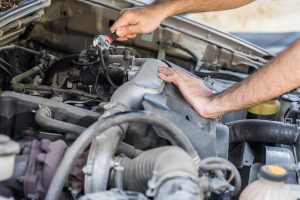
Ice and snow come on strong every winter. Highways freeze, tires slide and cold snaps kill batteries. Salt and grit chomp up brake lines and undercarriages. Freezing rain can ignite door locks and freeze wipers. Steering becomes challenging, particularly with aged or used tires.
Winterizing is not merely for peace of mind; it’s a necessity in Overland. Drivers put on winter tires, test antifreeze and switch to thin oils so their engines turn over on frosty mornings. Local repair shops such as Frosty’s Garage provide winter packages, including battery tests, fluid swaps and tire changes.
A single long cold spell will expose all the weak spots in a car. Mechanics recommend stocking emergency kits in cars, inspecting tire tread, and having wipers and lights tested prior to the first snow. Winter safety isn’t just about slowing down. It’s about being prepared before storms arrive.
St. Louis County Roads
St. Louis County roads show the full range of Midwest driving challenges: rough terrain, slick surfaces in spring rain, salted asphalt in winter, and heavy stop-and-go traffic. Our drivers here contend with muggy summers that accelerate rust and frigid winters that fracture pavement, creating the constant vehicle maintenance demand.
Between the combination of city streets and unpredictable weather, cars and trucks in Overland, MO, experience more wear and tear than most.
Pothole Problems
Potholes are popping up all over St. Louis County and are exacerbated by freezing and thawing. These holes can ruin suspension systems, bend rims, and blow out tires. It’s not unusual to find mangled ball joints or leaking shocks after a brutal winter on St. Louis County roads.
Tires get pinched or slashed, alignments wiggle loose, and undercarriages occasionally receive direct blows. Small cracks can become big problems if you neglect them.
To minimize pothole damage, monitor tire pressure frequently and maintain it at the recommended level. Ease off and dodge the puddles where holes lurk. Drive on good tires designed for Midwest roads and get your alignment checked if you strike a bad patch. Stout shocks and struts aid as well.
Overland is home to a number of shops that know St. Louis County roads, such as Page Avenue and Lackland Road, and they’re great at repairing pothole damage. They carry parts that fit popular local vehicles and take care of speedy suspension and tire repairs.
Some shops provide free checks after a rough winter or big storm. Potholhttps://jamminjauto.com/2024/04/05/how-to-extend-life-of-your-vehicle-top-maintenance-tips/
es to St. Louis County Roads. That means it helps repair issues for all drivers, making commutes safer and less expensive.
Stop-and-Go Traffic
Stop-and-go traffic on main routes like I-170 and St. Charles Rock Road tear up brakes and transmissions quickly. Brakes get hot and fade if you’re always stopping, and transmissions can overheat from constant shifting. Clutches in manuals go sooner.
This stop-and-go dance decreases the lifespan of pads, rotors, and fluids. Regular maintenance is wise. Swap brake pads before they wear through, flush brake fluid, and inspect transmissions for leaks or performance shifts.
Overland’s local mechanics familiar with city traffic can identify unique issues early on. They will look for uneven brake wear and strain on drivetrain components. For optimal performance, get them checked every 10,000 miles or biannually.
This captures worn components before they fail, particularly after winter or peak commute months.
Preventative Measures for St. Louis County Roads
- Monitor tire pressure on a weekly basis and watch for uneven wear or sidewall damage.
- Wash cars a lot, particularly after winter, to get rid of salt and avoid rust.
- Rustproof in fall for humid summers and salted roads.
- Swap wipers and check headlights in advance of winter’s poor visibility.
- Have alignment checks scheduled, particularly after hitting potholes or rough spots.
- Maintain emergency kits containing flares, blankets, and basic tools for breakdowns.
- Winterize cars with fluid changes, battery, and belt checks.
Truck-Specific Issues
Truck repair in Overland, MO presents a unique group of requirements compared to smaller vehicles. Trucks put in the sweat equity, transporting freight and navigating city streets and thick Midwest snow. This means they endure more wear, from rust on frames in the humid summer to brake and suspension strain after winter’s grit and salt.
Most local shops are prepared to do these larger jobs, with mechanics experienced in heavy-duty repairs. Truck owners and fleet managers should arrange for frequent checks, particularly for brakes and undercarriage components. In Overland, routine maintenance is essential to maintaining trucks that are safe, efficient, and prepared for the next assignment.
Workload Wear
Hard use takes a beating on trucks. The weight they carry taxes engines, transmissions, brakes, and suspension. Trucks that are put to work every day for a job or a delivery receive stop-and-go traffic, rough road patches, and Midwest weather swings.
That rapid wear translates into parts such as brake pads, bushings, and even drivetrain components wearing out more quickly than a normal car. Regular care is no longer a recommendation—it’s crucial. Truck-specific issues like oil changes, tire rotations, and brake inspections keep trucks from breaking down when you need them most.
After snowy winters with salt on the road, Overland truck owners should inspect for rust or worn brake lines and suspension parts. Rust can establish itself fast, particularly with Missouri’s muggy summers, so don’t bypass those post-winter inspections.
Local shops such as Overland Truck Center and All Fleet Service have the equipment and expertise to repair heavy-duty trucks. They know what to look for post-hard season or heavy-duty job, and they use truck parts, not car parts.
Fleet owners, on the other hand, should establish a consistent maintenance schedule to catch problems before they become expensive or business-slowing breakdowns.
Diesel Systems
|
Common Diesel Issue |
Maintenance Practice |
Notes |
|---|---|---|
|
Hard starting |
Check glow plugs, change fuel filters |
Especially in cold weather |
|
Loss of power |
Clean injectors, check turbo system |
Watch for dirty air or fuel filters |
|
Excessive exhaust smoke |
Inspect EGR system, test sensors |
May signal deeper engine problems |
|
Noisy engine |
Adjust valves, check timing belt/chain |
Regular checks prevent bigger issues |
|
Fuel economy drop |
Monitor for leaks, maintain tire pressure |
Can show early warning signs |
Diesel engines require a different expertise than gas ones. The systems are designed for power but require close inspection of fuel injectors, glow plugs, turbochargers, and the exhaust sensors. Not every mechanic is trained for this.
Find a shop in Overland with diesel experience and modern diagnostic tools. These shops can detect issues early and keep trucks humming, even with today’s ADAS and complicated emission controls.
Regular diesel service is the secret. Schedule oil changes, filter swaps, and system checks. This keeps engines clean and helps you spot rust or corrosion before it spreads. Little things like these keep trucks going and keep them ready for the next job.
The Overland Standard
The Overland standard. A high bar for top quality car and truck repair in Overland, MO. This region experiences muggy summers, severe winters and bone-jarring pothole-infested roads. Drivers anticipate that local shops understand the distinct challenges, including rust from salty, wintry roads and suspension worn from potholes.
We trust our mechanics not only for their craftsmanship but for their candid counsel and open-book approach with every repair. Local shops differentiate themselves by providing transparent diagnostics and reliable quotes. They build loyalty by installing rust-proof hardware and premium components that withstand seasons of punishing elements. They welcome customers for inspections of brakes, fluids and tires, nipping trouble in the bud.
Diagnostic Approach
High-end diagnostic equipment is now essential in Overland repair facilities. Our local mechanics employ computer scanners and digital test gear to identify issues quickly, whether it’s a check engine light or an odd noise. Such technology allows them to read specific fault codes from the engine and brakes, even the electrical system, reducing the guesswork and saving drivers time and money.
Diagnostic-based shops nip problems in the bud. For instance, your full scan at the oil change picks up an aging belt or hose before it burns out in the heat. Not only does this solve the immediate problem, but it helps avoid breakdowns down the line, which is critical for Overland drivers who endure both frigid winters and scorching summers.
A shop that spends the time for full diagnostics is a shop that cares about your car in the long run. Drivers should seek out such shops that don’t simply clear codes but that explain what went wrong and why. Thorough diagnostics lead to safer, more dependable vehicles along Overland’s harsh highways.
Parts Sourcing
Quality parts are what matters most in Overland, where salty roads and ever-changing weather tear up cars and trucks. Most reputable shops use OEM (original equipment manufacturer) parts for repairs. These are identical to what went in at the factory, which extends the life of vehicles.
Certain shops even pull in premium aftermarket parts, offering drivers an option when budgets are lean. Local mechanics establish connections with trusted suppliers to obtain parts quickly and at reasonable rates. This covers shorter wait times for repairs, even for rare-ish models.
Retailers stocking both OEM and trusted aftermarket options demonstrate they value both quality and performance. Drivers should inquire where parts are sourced from and the reasoning behind their use. It’s a tiny hop that can make the difference between a repair that sticks and one that falls apart.
In Overland, opting for rustproof globe hardware and premium brake pads isn’t just smart; it’s necessary for your security.
Community Trust
Trust is the foundation of every great repair shop in Overland. Straight-shooting mechanics who stand by their work become the ones local families turn to. Word gets around fast in town. Shops that do it right the first time and treat people well get more business via referrals than advertising ever could.
A good shop rep springs from honest service and transparent prices and a desire to explain repairs. When drivers feel respected, they return, and they spread the word! Community events, free inspection days, or simply being open to questions foster these connections.
Drivers like you — who support local shops — keep the standard high. About The Overland Standard Sharing good neighbors find mechanics who care. It’s this cycle of trust and support that keeps Overland vehicles secure, even in the harshest weather.
Proactive Maintenance
Proactive maintenance involves taking actual measures before issues occur. Here in Overland, MO, where the weather and road salt quicken wear, this is critical for both cars and trucks. These quick checkups and early repairs save you from getting hit with expensive repair bills and keep you driving longer.
Local shops understand how city driving and Midwest seasons impact vehicles and leverage this knowledge to arrange service schedules that suit actual usage. If you follow a mileage schedule, you discover and repair little problems before they become large. It’s not only brilliant for solo motorists; companies with fleets experience as much as a 3.5 times reduction in urgent repair expenses when they adhere to maintenance schedules.
Most people don’t understand that being late on oil changes or belt and filter swaps means you’re flirting with breakdowns at the worst possible time, like during evening rush hour on Page Avenue or while hauling loads through St. Louis.
These days, shops in Overland employ diagnostic tools far more advanced than a bog-standard code scan. These tools detect things such as weak batteries, bad alternators or failing starters before they leave you stranded. With real-time performance data, techs can tell if your engine is running hot, brakes are fading, or tire wear will cause problems soon.
For fleets, these checks can be incorporated into a preventative maintenance plan that monitors each vehicle. That translates to less guesswork, fewer surprise breakdowns, and more time spent actually making deliveries or getting to work instead of being stuck on the side of the road waiting for a tow.
A little proactive maintenance goes a long way to keeping your budget sane, too. Regular battery and alternator tests, oil and filter changes, and even basic checks like topping off fluids reduce the risk of expensive engine or transmission repairs. Fuel optimization and route planning can lead to some serious savings, as well.
When you catch small fixes early, such as a slow crank when starting or a weak headlight, you can swap parts before they fail and avoid being stuck on the side of the road.
Essential proactive maintenance tips:
- Keep a maintenance schedule by miles, not just time.
- Use advanced diagnostics to check for hidden problems.
- Track vital indicators such as engine temperature, oil life, and tire wear.
- Test batteries, alternators, and starters often.
- Schedule preventative maintenance for all vehicles, not just when issues arise.
- Look for real-time warnings and fix them immediately.
- Make the best use of fuel and your driving paths to save both cash and time.
Conclusion
Car and truck repair in Overland, MO is more than just an oil change or tire replacement. Local roads, steep hills, and rough winters really give these vehicles a run for their money. Shops here know the routine. They see road salt rust, pothole damage, and engine heat in swamp summers. Trucks require punchy brakes and stiff suspensions to transport equipment around St. Louis County roads and trails. People who keep up with the little repairs avoid the big bills down the road. Local techs with up-to-date scanners and stashes of parts keep the work fast. Wishing your ride would last longer and run smoother? Call your favorite Overland shop and schedule a checkup. Stay in step with the town you roll!
Frequently Asked Questions
What are the most common car and truck repairs in Overland, MO?
Brake replacements, engine diagnostics and suspension work are among the most common repairs. Missouri’s weather and local roads can accelerate wear on these parts.
How does Overland’s climate affect vehicle maintenance?
Overland experiences scorching summers and freezing winters. These temperature swings can strain batteries, tires, and fluids, so regular checks are a must.
Are St. Louis County roads hard on vehicles?
Sure, rough patches, potholes, and road salt during the winter can take a toll on tires, suspensions, and undercarriages. Regular check-ups catch problems quickly.
What truck-specific issues do local drivers face?
Trucks in Overland face towing strain, heavy loads and winter salt rust. With regular service, these vehicles can go on and on.
How do I find a reputable repair shop in Overland, MO?
Search for shops with ASE-certified mechanics, excellent local reviews, and fair prices. Local Missouri vehicle experience is a bonus.
Why is proactive maintenance important in Overland?
Regular oil changes, brake inspections, and fluid refill avert expensive failures. Proactive care keeps you safe and your vehicles reliable whatever the season.
What makes Overland auto shops stand out?
Overland car repair shops provide quick service, local expertise, and individual attention. They understand the region’s specific driving requirements.